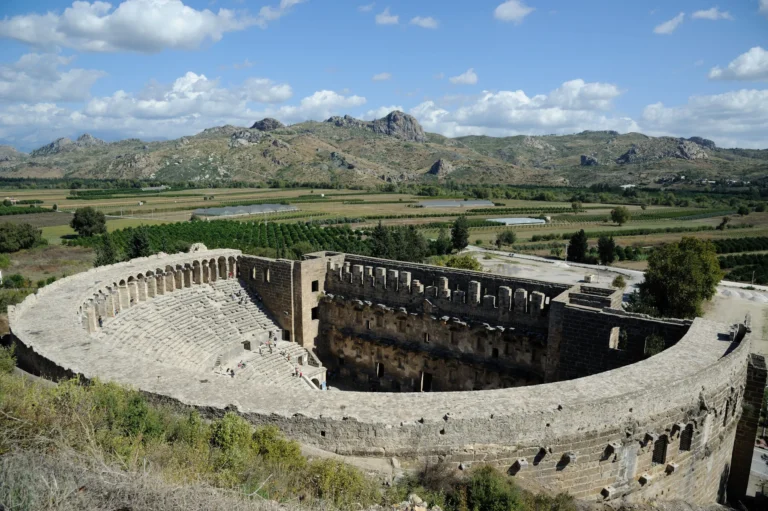
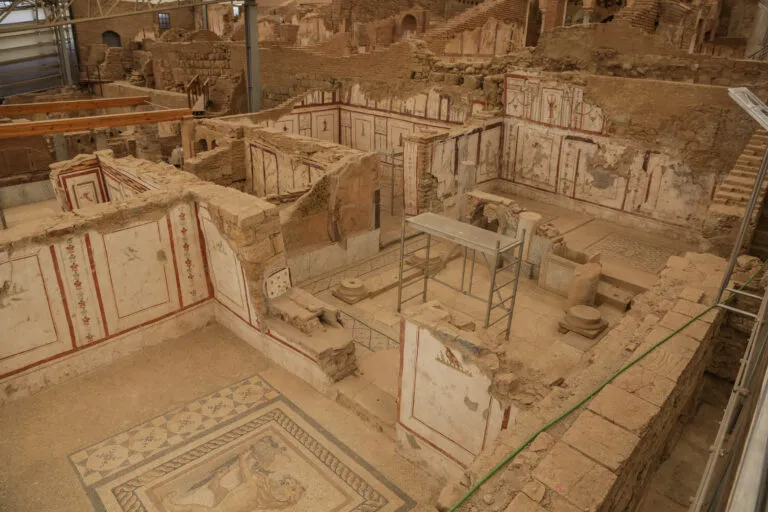
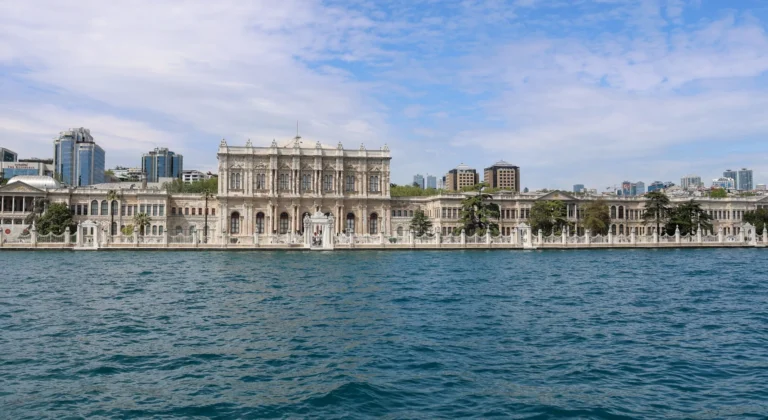
You’ve seen the Cappadocia balloon photos. A friend mentioned Istanbul. Maybe a documentary on Ephesus caught your attention last winter. And then, almost on cue, someone at dinner says: “Turkey, though — is it actually safe right now?”
We get this question every week. Sometimes from couples planning an anniversary trip. Sometimes from a solo traveler in her fifties who has wanted to see Hagia Sophia for twenty years. Sometimes from a family weighing Turkey against Italy for a once-in-a-decade reunion.
So here’s the honest answer, written from Istanbul, by people who live here, work here, and put their own family members on the same tours we sell to you.
Turkey in 2026 is broadly safe for tourists. But “safe” is a useless word without context. What follows is the context: what the data actually shows, where the real risks are (and aren’t), what we tell our own guests before they arrive, and how to think clearly about a country whose reputation in Western media rarely matches the reality on the ground.
The Short Answer
Yes — Turkey is safe to visit in 2026 for the regions tourists actually go to: Istanbul, Cappadocia, the Aegean coast (Ephesus, Pamukkale, Bodrum, Fethiye), Antalya, and the central historical sites. Violent crime against foreign visitors is rare. Petty crime exists in tourist areas, as it does in Rome, Barcelona, and Paris. The areas of Turkey that carry meaningful security concerns — the southeastern border with Syria — sit hundreds of kilometers from anywhere a typical traveler would visit.
If that’s all you needed, that’s the answer. If you want to understand why — and what to actually watch for — keep reading.
What the Numbers Actually Say
Travel safety isn’t a feeling. It’s measurable. Here’s what the current data shows:
- U.S. State Department travel advisory: Level 2 for most of Turkey (“exercise increased caution”) — the same level currently applied to France, Germany, Italy, and the United Kingdom.
- UK Foreign Office (FCDO): Recommends standard precautions for Istanbul, Cappadocia, and the Aegean and Mediterranean coasts.
- Crime indices: Istanbul’s overall crime ranking sits in the same range as major Western European capitals like Paris, Rome, and Barcelona — three cities no one questions before booking.
- Tourism volume: Turkey is among the world’s top inbound destinations, with over 60 million international arrivals projected for 2026.
Sixty million people don’t visit a country that isn’t working.
Is Istanbul Safe?
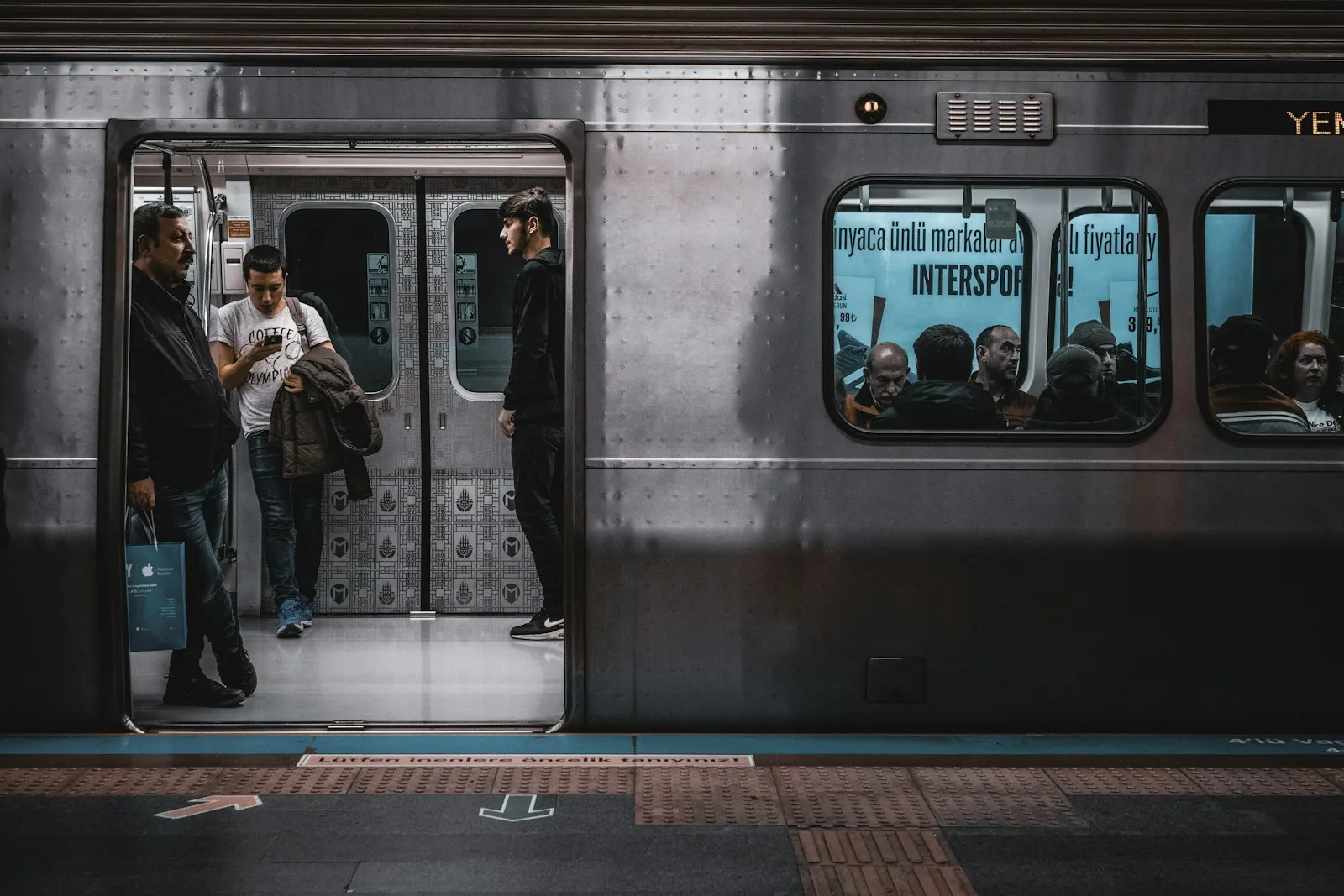
Istanbul is a city of nearly 16 million people. Like any megacity, it has neighborhoods that are polished, neighborhoods that are gritty, and a tourist core that is heavily policed and exceptionally safe for visitors.
The areas you’ll spend almost all your time in — Sultanahmet, Beyoğlu, Karaköy, Galata, Beşiktaş, Kadıköy — are walked daily by families with strollers, students, tour groups, and locals heading to work. You’ll see uniformed police near major monuments, the Grand Bazaar, and transport hubs. Lone women walk these areas at night. We mention this because we know it’s the question solo travelers want answered without having to ask.
What to actually watch for in Istanbul:
- Pickpocketing on the T1 tram between Sultanahmet and Kabataş during peak hours. Same advice as the Paris Métro: front pockets, zipped bags, awareness.
- Restaurant overcharging in a small number of touristy spots near the Grand Bazaar. Look at the menu, confirm the price, walk away if something feels off.
- Taxi meter games. Use BiTaksi or Uber. Problem solved.
- The “shoe shine” scam. A man drops his brush, you pick it up, he insists on shining your shoes for a “thank you” that becomes a demand. Polite “no thank you,” keep walking.
Notice what isn’t on this list. Violent crime against tourists in Istanbul is genuinely rare — significantly rarer than in most major American cities and on par with the safest European capitals.
Is Cappadocia Safe?
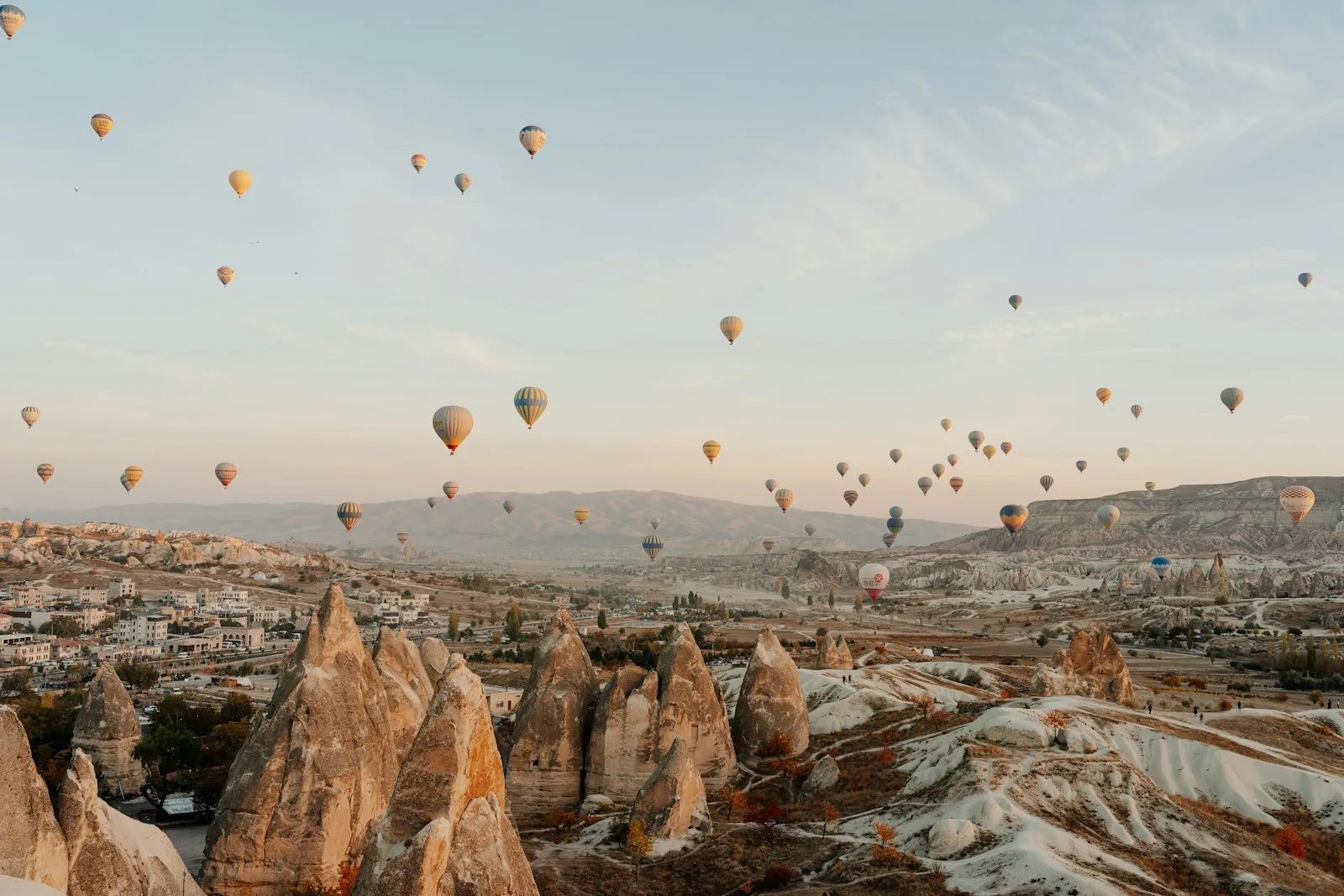
Cappadocia is one of the safest regions in Turkey, full stop. It’s a rural area built around tourism. Crime rates are low, the local economy depends entirely on visitors, and the towns of Göreme, Ürgüp, and Uçhisar feel closer to a small Italian hill town than anywhere “exotic” or unfamiliar.
The two questions we actually get asked about Cappadocia:
“Are the hot air balloons safe?” Yes. Turkey’s Civil Aviation Authority regulates balloon flights tightly. Pilots are licensed, equipment is inspected, and flights are cancelled — every time, no exceptions — when wind conditions exceed safe limits. Cancellation is annoying. It’s also exactly what you want from an operator. If a company flies you in marginal weather, find a different company.
“Is it safe to walk the valleys alone?” Yes, during daylight, on marked trails. The terrain is the bigger risk than people — wear proper shoes, carry water, tell someone your route. We give all our guests a trail map and a number to call.
Is the Rest of Turkey Safe?
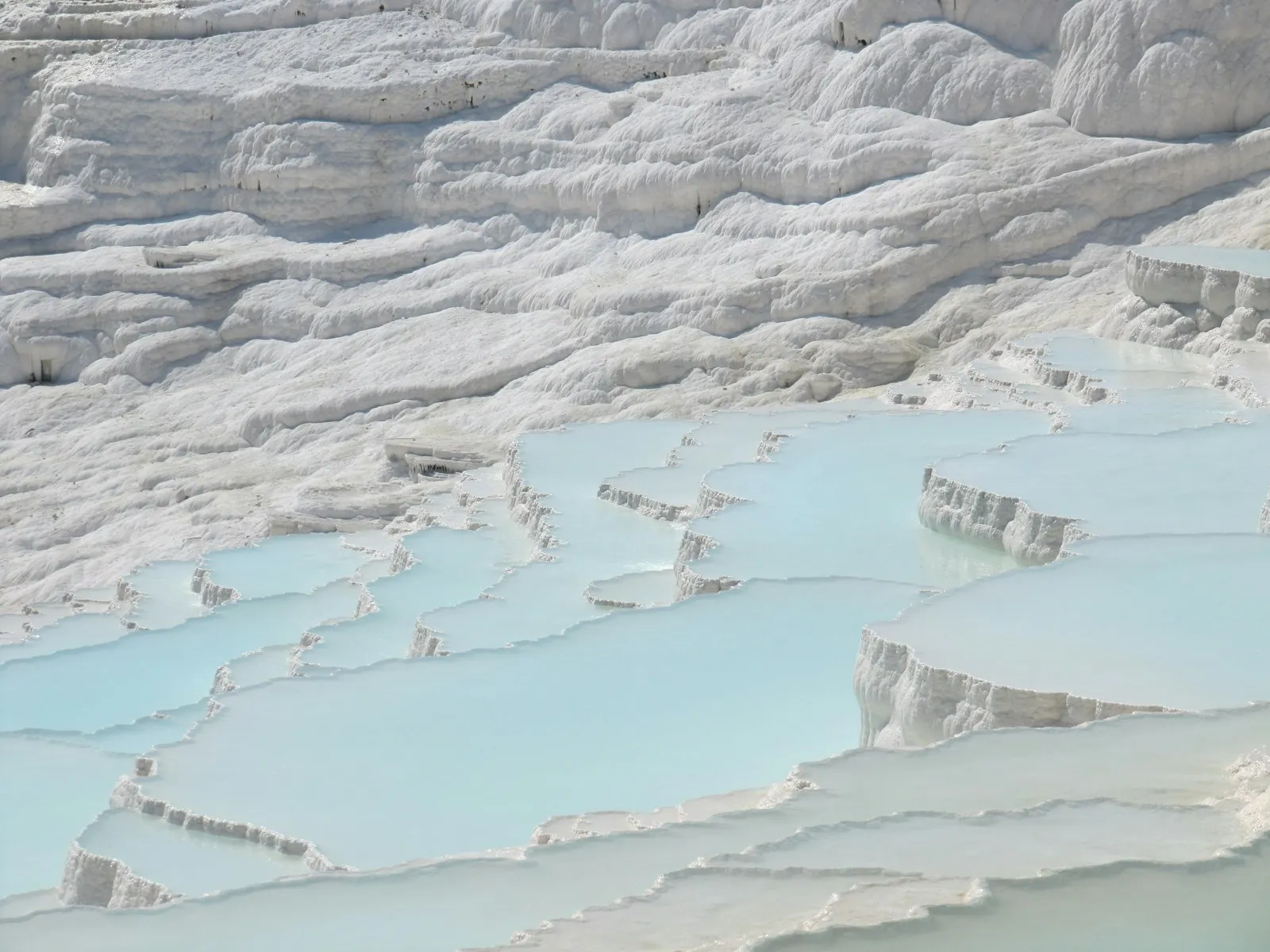
The standard tourist circuit — Ephesus, Pamukkale, Bodrum, Fethiye, Antalya, Gallipoli, Troy — is safe. These are coastal and Aegean regions oriented around tourism, with strong local economies, modern infrastructure, and visible police presence in town centers.
The areas that carry real, current security concerns are the southeastern provinces along the Syrian border: Şırnak, Hakkari, parts of Hatay, and the immediate border zone. These are 1,000+ kilometers from Istanbul and more than 700 kilometers from Cappadocia. No tour operator with sense routes guests through them. We don’t, and we wouldn’t.
If your itinerary covers Istanbul, Cappadocia, the Aegean coast, and the Mediterranean — you are not anywhere near the regions that appear on advisory maps.
Is Turkey Safe for Solo Female Travelers?
This is the question we take most seriously, because it deserves a more careful answer than “yes” or “no.”
Turkey is safe for solo female travelers in the regions and cities mentioned above, with realistic precautions. Thousands of women travel Turkey alone every year — it’s a popular destination for solo travelers in their forties, fifties, and sixties specifically because the infrastructure is excellent and the cultural landscape rewards independent exploration.
What to expect, honestly:
- In tourist areas and major cities, you’ll be left alone. Turks are generally courteous to visitors, and harassment of foreign women in places like Sultanahmet, Galata, Göreme, or Kuşadası is uncommon.
- In more conservative neighborhoods or smaller inland towns, you may attract polite curiosity — looks, an occasional “hello,” shopkeepers wanting to chat. It’s friendliness, not threat. But it can feel like a lot if you’re not expecting it.
- Dressing modestly in religious sites (covered shoulders, a scarf for mosques) is respectful and removes unwanted attention. This is true in Italy, Greece, and most of the Mediterranean.
- Evening walks in well-lit, populated areas are normal. We’d give the same advice in any large city: stay where there are people.
What we tell our solo guests: you’ll feel watched-over more than watched. The Turkish hospitality instinct is strong, and as a solo traveler you’ll find restaurant owners checking on you, hotel staff remembering your name, guides making sure you got back to your room. It surprises people. In a good way.
Earthquakes, Health, and Other Practical Concerns
Turkey sits on active fault lines. The 2023 earthquake in the southeast was devastating in its specific region — and had no impact on the tourist circuit hundreds of kilometers away. Istanbul, Cappadocia, and the Aegean coast were unaffected. Modern hotels in tourist areas are built to seismic codes. Statistically, the risk to a two-week visitor is extremely low.
Health-wise: tap water is safe in most cities for brushing teeth and showering, but most travelers (and most locals) drink bottled water out of preference. Pharmacies are everywhere, well-stocked, and English is commonly spoken in tourist areas. Private hospitals in Istanbul and Antalya meet international standards and are used by expat communities.
Travel insurance: get it. Not because Turkey is risky, but because you should always have it.
What We Actually Do for Our Guests
This is the part most “is Turkey safe” articles skip, because most aren’t written by people who run tours.
Every guest who books with us gets:
- A 24/7 emergency contact number for our Istanbul-based team
- Airport pickup by a vetted driver who knows your name and flight
- Hotels we’ve personally inspected and use repeatedly
- Licensed, English-speaking guides who carry first-aid certification
- Real-time itinerary adjustments if weather, road, or any local condition changes
We don’t advertise this as a “feature.” It’s just how a serious operator works. If you’re booking Turkey through anyone — us or someone else — these are the questions to ask.
So, Should You Go?
That’s not really a safety question anymore. It’s a question about whether Turkey will give you what you’re looking for.
If you want walkable history that goes back ten centuries before Rome, food that quietly outperforms its reputation, landscapes that don’t look like anywhere else, and a country that treats visitors with genuine warmth — yes, you should go. The safety part has been answered, repeatedly, by sixty million annual visitors.
If you’d like to talk through an itinerary with someone who lives here, our team builds custom tours for couples, solo travelers, and family groups across Turkey’s main regions. No pressure, no template — we’ll tell you honestly what works and what doesn’t for your specific trip.
Frequently Asked Questions
Is Turkey safe to visit right now in 2026?
Yes. Turkey is safe for tourists visiting Istanbul, Cappadocia, the Aegean coast, Antalya, and the central historical sites. The U.S. State Department lists Turkey at Level 2 — the same advisory level as France, Germany, and the United Kingdom. Over 60 million international tourists are expected to visit Turkey in 2026.
Which areas of Turkey should travelers avoid?
The southeastern provinces along the Syrian border — including Şırnak, Hakkari, and parts of Hatay — carry security advisories and are not part of standard tourist itineraries. These areas are 700–1,000+ kilometers from Istanbul and Cappadocia.
Is Istanbul safe for tourists?
Yes. Istanbul’s tourist neighborhoods (Sultanahmet, Beyoğlu, Galata, Karaköy, Beşiktaş, Kadıköy) are heavily policed and feel as safe as most major European capitals. Standard precautions against pickpocketing apply, as in any large city.
Is Cappadocia safe and are the hot air balloons regulated?
Cappadocia is one of the safest regions in Turkey, with a tourism-driven local economy and very low crime rates. Hot air balloon flights are regulated by Turkey’s Civil Aviation Authority, with mandatory pilot licensing, equipment inspection, and weather-based cancellation requirements.
Is Turkey safe for solo female travelers?
Yes, with realistic precautions. Turkey is a popular destination for solo female travelers, particularly in tourist regions. Modest dress at religious sites, awareness in crowded areas, and choosing well-reviewed accommodation are the same precautions recommended for solo travel anywhere in the Mediterranean.
Did the 2023 earthquake affect tourist areas?
No. The 2023 earthquake affected southeastern Turkey near the Syrian border. Istanbul, Cappadocia, the Aegean coast, and all standard tourist destinations were unaffected and remain fully operational.
Do I need travel insurance for Turkey?
Yes — not because Turkey is high-risk, but because comprehensive travel insurance is sensible for any international trip. Choose a policy that includes medical coverage and trip interruption.
Is the tap water safe in Turkey?
Tap water in major cities is generally safe for brushing teeth and showering. Most travelers and locals prefer bottled water for drinking, which is widely available and inexpensive.