Short answer: Eat your way through the day in Turkey: a long breakfast spread (kahvalti), street food like simit, pide and lahmacun at midday, kebabs or home-style stews for dinner, meze with raki in the evening, then baklava and tea. Ordering each region's specialty is the best approach.
What Should You Eat in Turkey?
Eat your way through the day: start with a long breakfast (kahvalti), graze on street food at midday, sit down to kebabs or home-style stews, then share meze in the evening. Finish with baklava and tea. Turkish food rewards travelers who slow down and order the local specialty of each region.
This guide follows how a real day of eating unfolds in Turkey. I have ordered most of these dishes a thousand times, and I will tell you what to look for and where.
What Is a Turkish Breakfast (Kahvalti)?
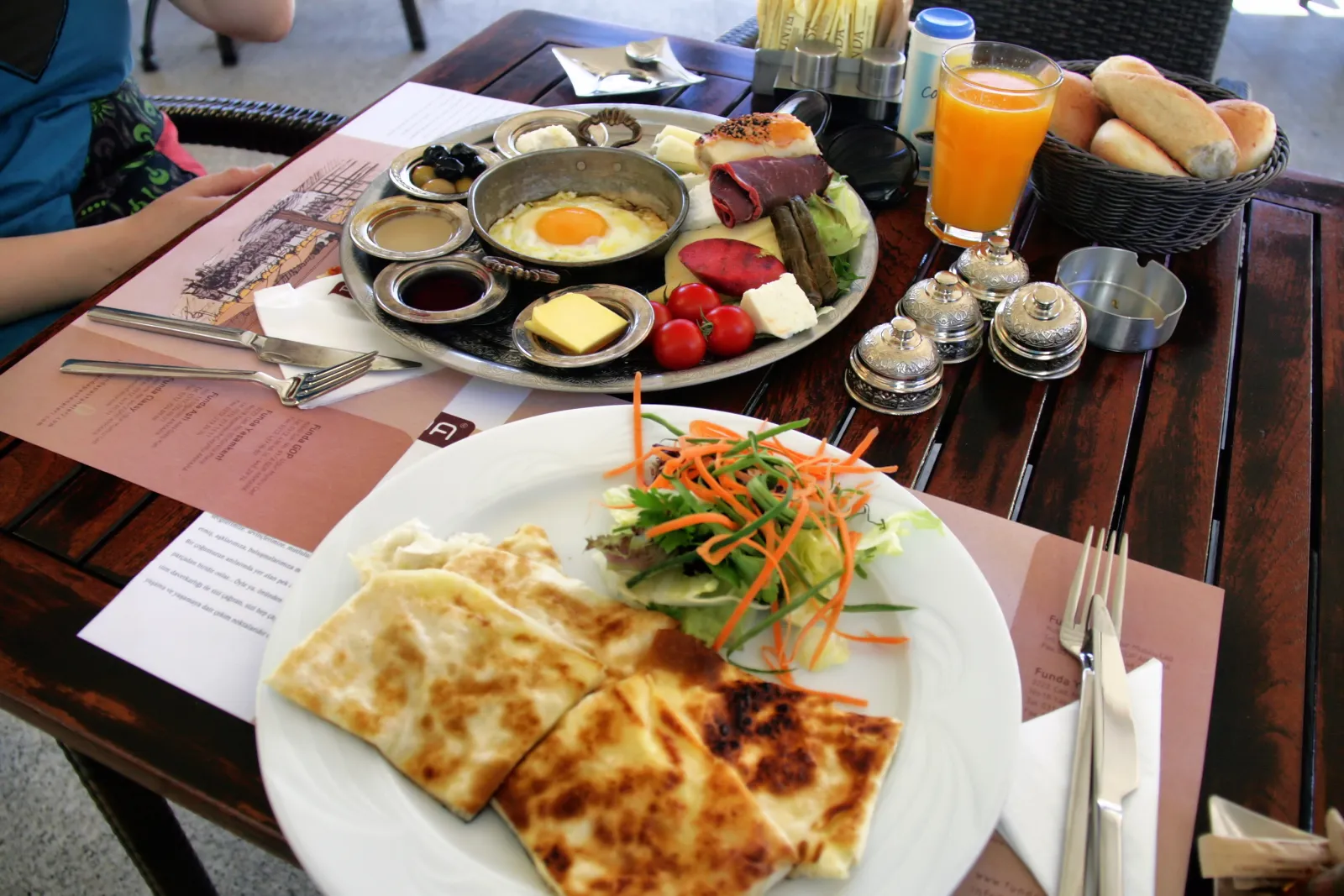
A Turkish breakfast is a full spread, not a quick bite. Expect a table covered in small plates: white cheeses and aged kasar, green and black olives, sliced tomato and cucumber, eggs (often menemen, scrambled with tomato and pepper), several jams, and honey served with kaymak, a thick clotted cream.
Fresh bread arrives warm, and the tea never stops. On weekends, families spend two or three hours at the table. When I take travelers to a village serpme kahvalti near the Aegean, they are surprised that breakfast can fill a whole morning.
What Street Food and Lunch Should You Try?
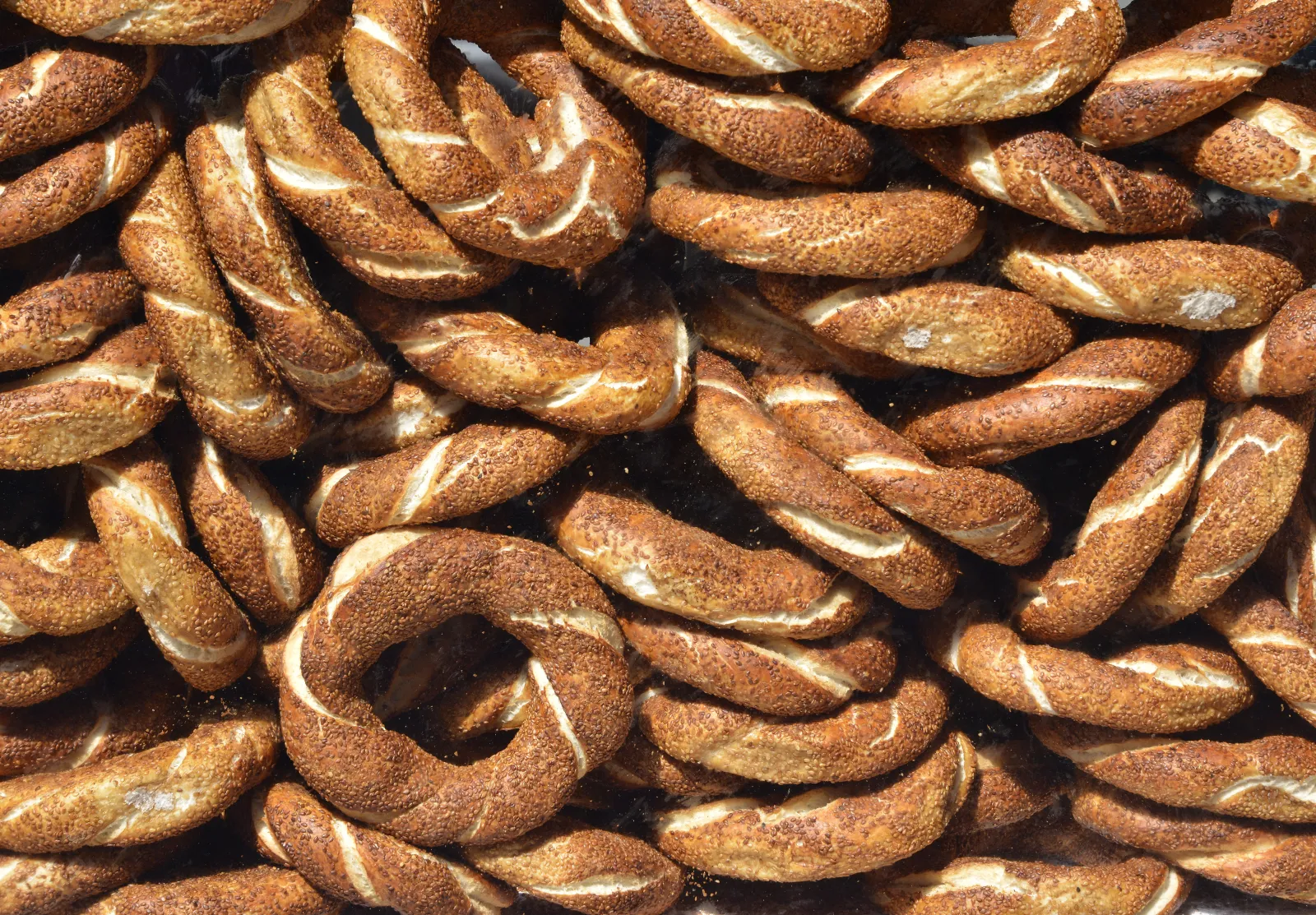
Lunch in Turkey is fast, cheap, and excellent. The most common bite is simit, a sesame-crusted bread ring sold from red carts on nearly every corner. For something heartier, look for these:
- Pide — a boat-shaped flatbread baked with cheese, minced meat, or egg, often called Turkish pizza.
- Lahmacun — a thin, crisp round topped with spiced minced meat; squeeze lemon, add parsley, roll it up.
- Gozleme — hand-rolled dough filled with cheese, spinach, or potato and griddled, usually made by women at a low table.
On the coast, the menu shifts to the sea. Balik ekmek, a grilled fish sandwich, is sold from boats at the Galata Bridge in Istanbul. Midye dolma, mussels stuffed with spiced rice, are sold by the dozen with a wedge of lemon. The Kadikoy market on Istanbul’s Asian side is one of the best places to graze through all of it.
What Are the Main Types of Turkish Kebab?
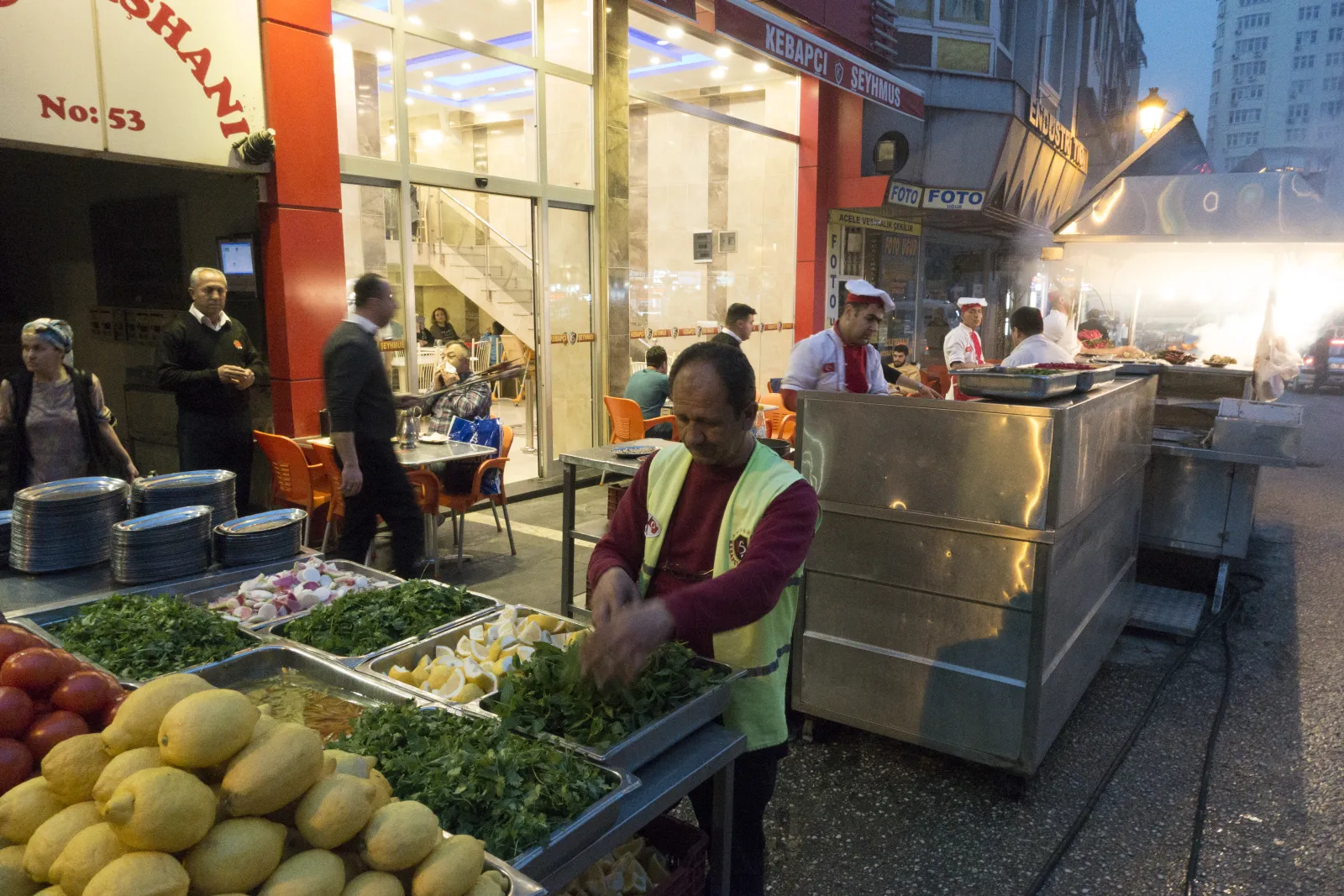
The kebab family is enormous, with hundreds of regional styles, so the word “kebab” tells you almost nothing on its own. A few names will carry you across the country:
- Adana — hand-minced lamb pressed onto a wide skewer, seasoned with red pepper and grilled hot. It is the spicy one.
- Urfa — the same idea as Adana but mild, with no chili heat.
- Sis — cubes of marinated lamb or chicken on a skewer.
- Doner — meat stacked on a vertical spit, shaved thin as it turns.
- Iskender — sliced doner laid over pieces of pide, then covered with tomato sauce, a spoon of yogurt, and melted butter poured at the table.
Iskender comes from Bursa and is rich enough to be a full meal. Order Adana in the southeast, where the chili is grown, and you will taste the difference.
What Is Meze and a Meyhane?
Meze are small shared plates, and the meyhane is the tavern where you eat them slowly with raki, an anise spirit poured over ice and water until it turns milky. A meze meal is unhurried and social. You order a dozen little dishes, talk for hours, and let the food set the pace.
Common cold meze include haydari (strained yogurt with garlic and herbs), patlican salatasi (smoky mashed eggplant), and acili ezme (a spicy tomato and pepper paste). Hot meze such as fried calamari or grilled halloumi arrive later. Travelers I guide often expect a quick dinner and are glad when it stretches past midnight.
What Are Turkey’s Everyday Staples and Regional Dishes?
Two things appear on almost every menu in the country. Mercimek corbasi, a smooth red lentil soup, is served with lemon and bread morning or night, and it is one of the safest, most comforting things you can order anywhere. Zeytinyaglilar are cold vegetable dishes cooked slowly in olive oil, such as stuffed grape leaves or green beans, eaten at room temperature.
Regions guard their specialties. The Black Sea coast cooks with cornbread and anchovies (hamsi). Gaziantep in the southeast is the heart of the kebab and baklava tradition. Along the Aegean and Mediterranean, the table tilts toward herbs, olive oil, and grilled fish like sea bass.
What Desserts and Drinks Should You Order?
Save room, because dessert is its own course. Baklava layers paper-thin pastry with pistachios and syrup; the best comes from Gaziantep. Kunefe is shredded pastry over melted cheese, soaked in syrup and served hot. Other names to know:
- Lokum — Turkish delight, soft cubes dusted with sugar, often flavored with rosewater or studded with nuts.
- Sutlac — baked rice pudding with a browned skin on top.
- Dondurma — stretchy mastic ice cream that the vendor will tease you with before handing it over.
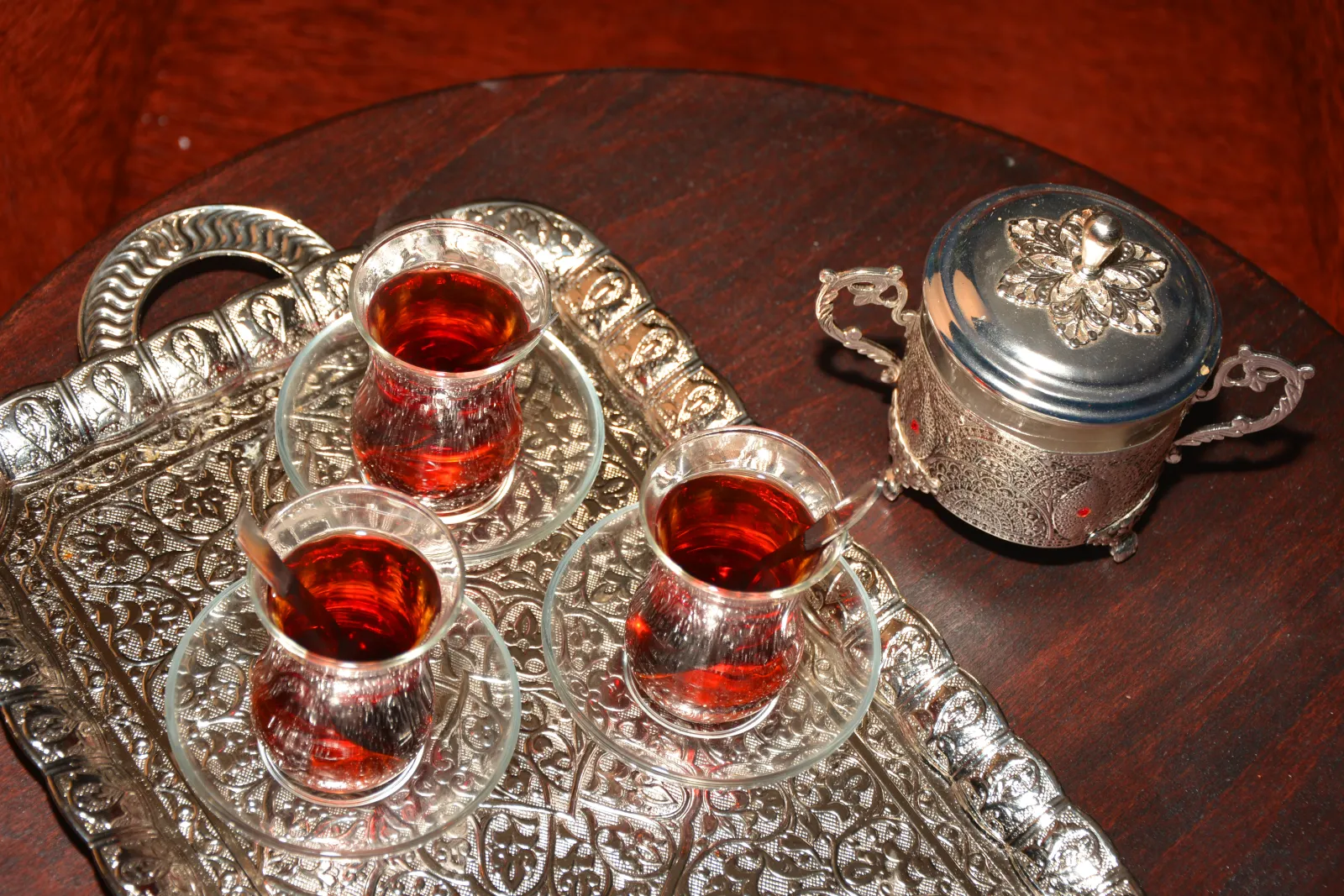
Tea, called cay, runs all day, served black in small tulip-shaped glasses with a sugar cube or two. Turkish coffee is thick, unfiltered, and sipped slowly while the grounds settle; it is inscribed on UNESCO’s intangible cultural heritage list. Both are usually offered as a gesture of welcome, so accept the glass.
Where Should You Eat in Turkey?
For honest, home-style cooking, look for a lokanta or esnaf lokantasi, the everyday spot where dishes sit in steam trays and you point at what you want. These places feed workers at lunch and rarely have an English menu, which is a good sign. The simplest rule of thumb is to eat where locals are already seated.
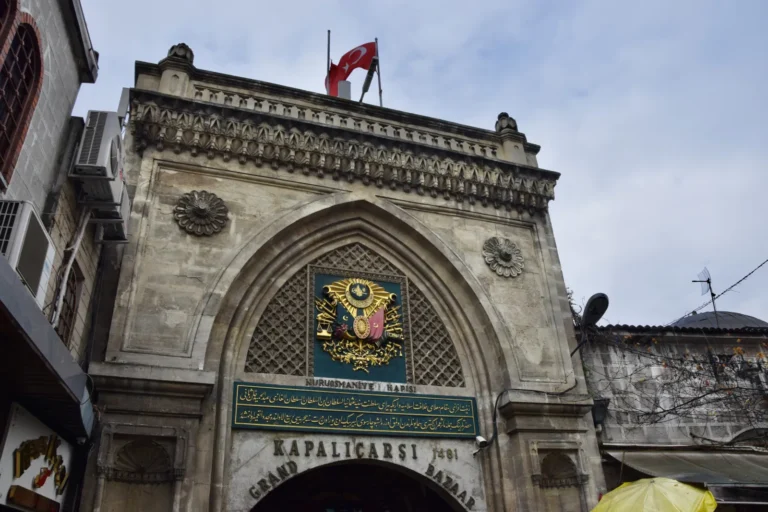
You will find these neighborhood kitchens near markets and mosques. The lanes around the Spice Bazaar and the Grand Bazaar in Istanbul are packed with them, and the Kadikoy food streets on the Asian side reward an hour of wandering. For broader trip logistics, our first-timer’s planning guide covers where to base yourself. You can also browse the official tourism portal at GoTurkiye for regional food festivals and seasonal dishes.
Ready to Taste It Yourself?
Food is one of the easiest ways to understand a place, and we build it into the rhythm of every trip, from a long breakfast on the coast to a meze dinner in Istanbul. If you would like a route shaped around the regions and dishes you most want to try, tell us about your trip and we will plan it with you. Browse all tours to see where we go.
Frequently Asked Questions
What is the national dish of Turkey?
Turkey has no single national dish, but kebab and meze are the most iconic. Everyday staples like mercimek corbasi (lentil soup) and zeytinyaglilar (olive-oil vegetable dishes) appear on nearly every menu across the country.
What is a traditional Turkish breakfast?
A traditional Turkish breakfast (kahvalti) is a large spread of small plates rather than one dish. It includes cheeses, olives, tomato and cucumber, eggs, jam, honey with clotted cream (kaymak), fresh bread, and endless black tea.
Is Turkish food spicy?
Most Turkish food is flavorful but not very spicy. Heat varies by region: Adana kebab and dishes from the southeast carry chili, while Urfa kebab and most western Turkish cooking are mild.
What is the difference between doner and Iskender kebab?
Doner is meat shaved from a vertical rotating spit. Iskender takes that sliced doner, lays it over pieces of pide bread, and tops it with tomato sauce, yogurt, and melted butter, making it a full plated meal from Bursa.
What should vegetarians eat in Turkey?
Vegetarians eat well in Turkey thanks to its olive-oil tradition. Look for zeytinyaglilar (cold vegetable dishes), mercimek corbasi (lentil soup), gozleme with cheese or spinach, fresh meze, and the full vegetable-heavy breakfast spread.
What do Turkish people drink with meals?
Black tea (cay) is served throughout the day in small tulip-shaped glasses. With evening meze, many people drink raki, an anise spirit mixed with water and ice. Turkish coffee, on UNESCO’s heritage list, is usually enjoyed after the meal.
Where do locals eat in Turkey?
Locals eat at a lokanta or esnaf lokantasi, a casual spot serving home-style dishes from steam trays. The reliable rule of thumb is to choose a place where local diners are already seated.
What are the most famous Turkish desserts?
Baklava, kunefe, and Turkish delight (lokum) are the best-known Turkish desserts. Baklava from Gaziantep is especially prized, and sutlac (rice pudding) and dondurma (stretchy ice cream) are also widely loved.