Is There a Dress Code in Turkey?
There is no general dress code in Turkey. In Istanbul, Izmir, Antalya and the coastal resorts, you can dress exactly as you would in any European city. Shorts, dresses, sleeveless tops and swimwear at the beach are all normal.
The one real rule applies inside mosques, which I cover below. Everywhere else, comfort and the season matter far more than coverage. Travelers I guide are often surprised by how relaxed the cities feel.
Turkey spans roughly 1,600 km west to east, so conditions vary. A summer afternoon in Antalya can pass 35 degrees C, while a winter morning in Cappadocia drops below freezing. Pack for the place and the month, not for a stereotype.
What Should You Wear in a Mosque?
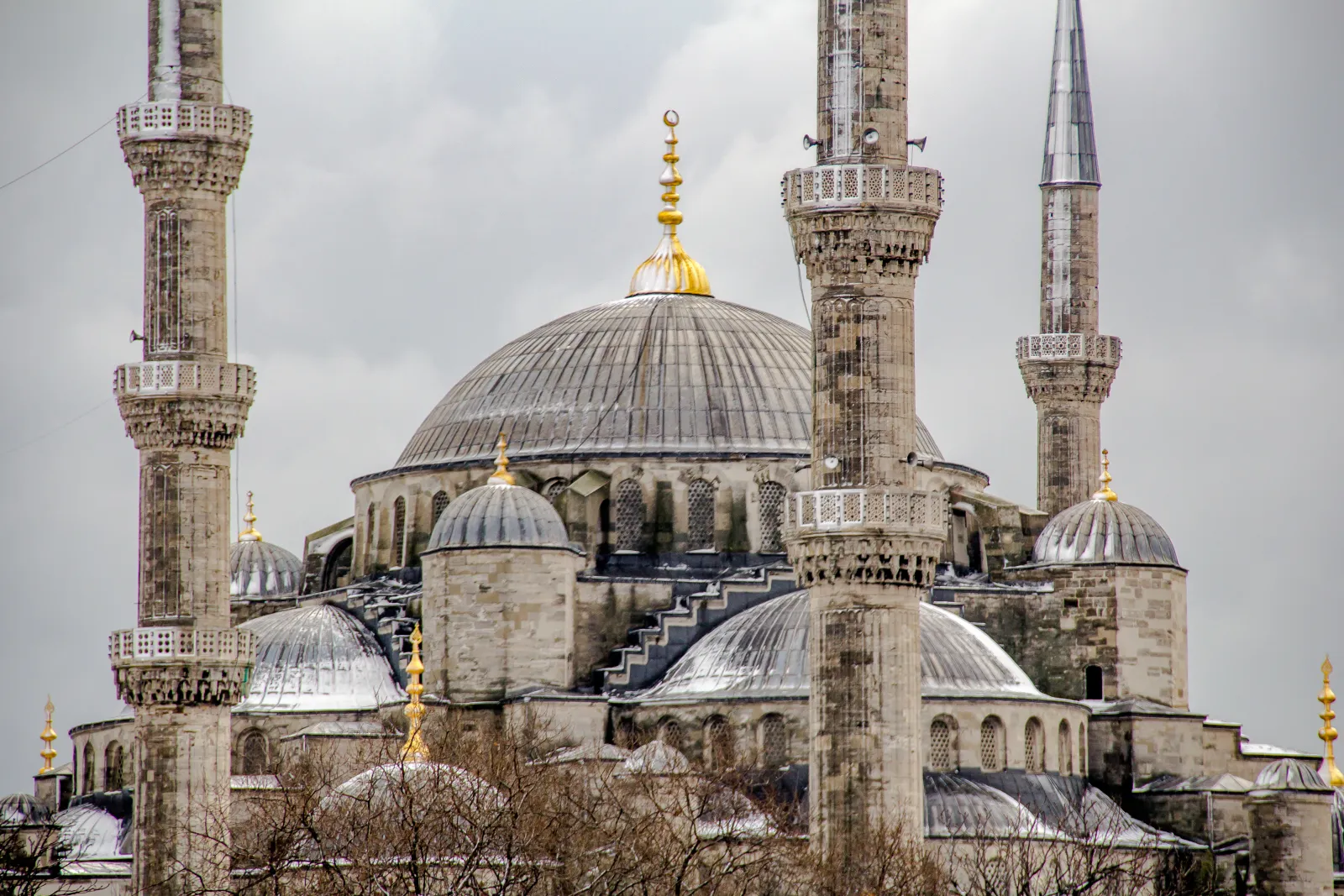
Mosques have a clear dress code, and it applies to everyone. Shoulders and knees should be covered for both men and women. Women also cover their hair with a scarf inside the prayer area.
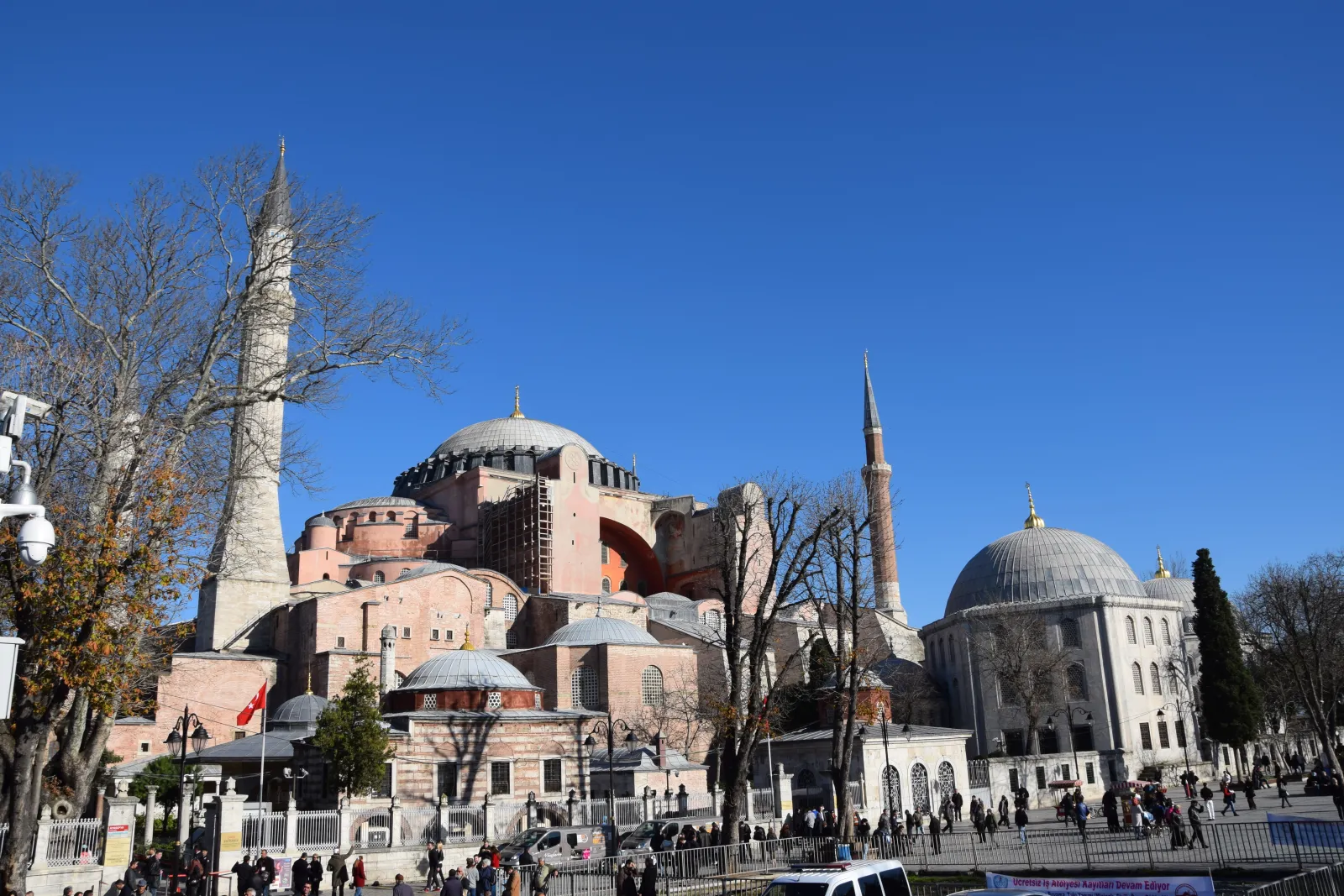
Shoes come off at the entrance, so wear or carry a clean pair of socks. Floors are carpeted and you walk on them in stockinged feet. This is true at the Blue Mosque, at Hagia Sophia, and at every working mosque across the country.
You do not need to buy special clothing for this. Many large mosques, including those in Sultanahmet, keep scarves and wraps at the entrance for visitors to borrow free of charge. A light scarf in your day bag covers both your hair and bare shoulders in seconds.
If you would like more detail before you go, read our guides to the Blue Mosque in Istanbul and visiting Hagia Sophia, which both note the current entry rules and quieter visiting hours.
What Shoes Should You Pack for Turkey?
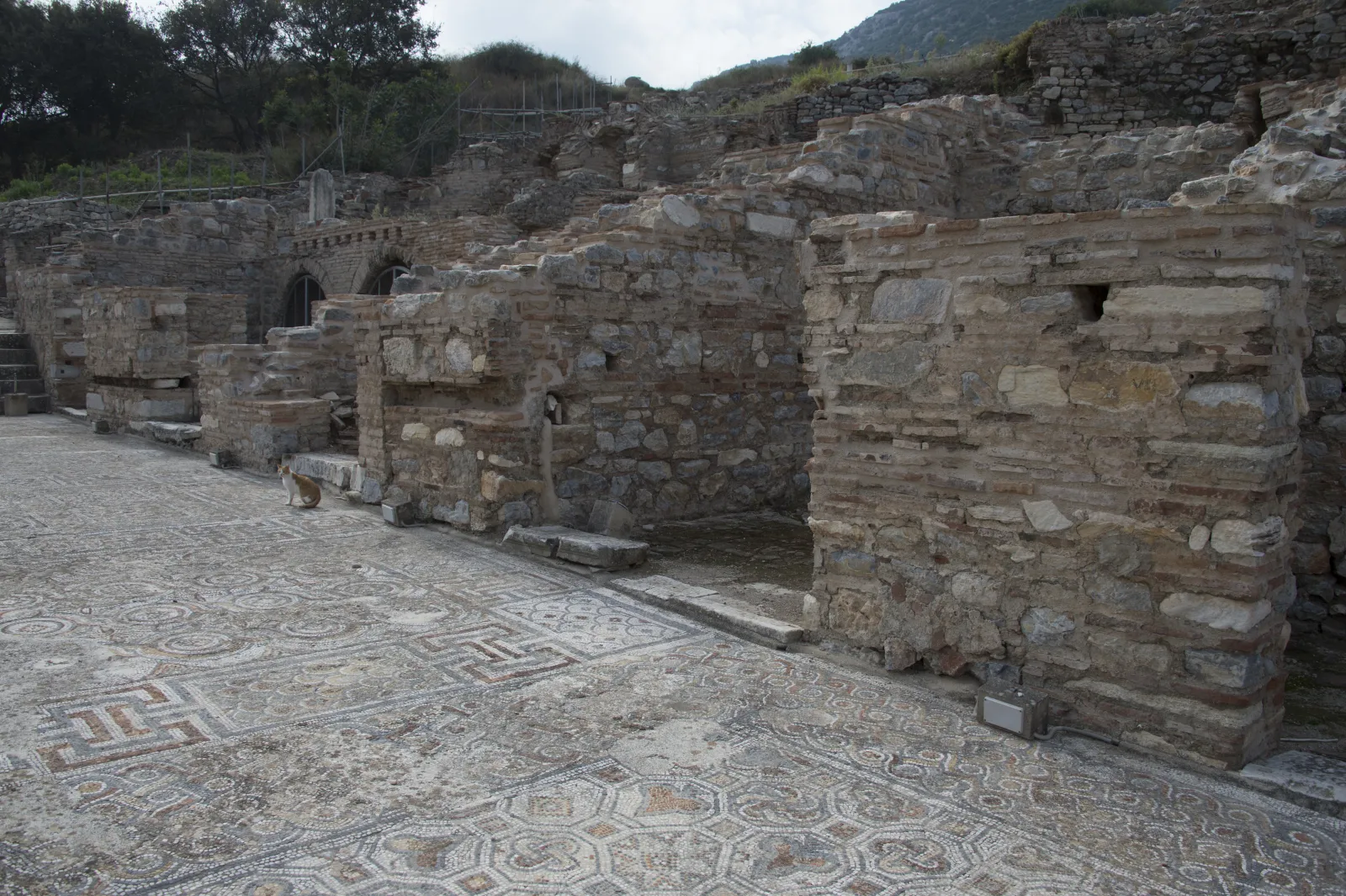
Comfortable, broken-in walking shoes are the single most important thing in your bag. Turkey is built on cobblestones, hills and ancient stone, and you will walk far more than you expect.
The streets of old Istanbul, Ephesus and the ruins of Pergamon are uneven and often steep. A full day at an archaeological site can mean 10,000 to 15,000 steps on hard, irregular ground. New shoes will leave you with blisters by lunchtime.
Bring one pair you already trust, plus sandals or lighter shoes for evenings and the beach. When I take travelers to Ephesus, the ones in supportive trainers enjoy the marble street far more than those in fashion sneakers.
How Do You Pack for the Seasons in Turkey?
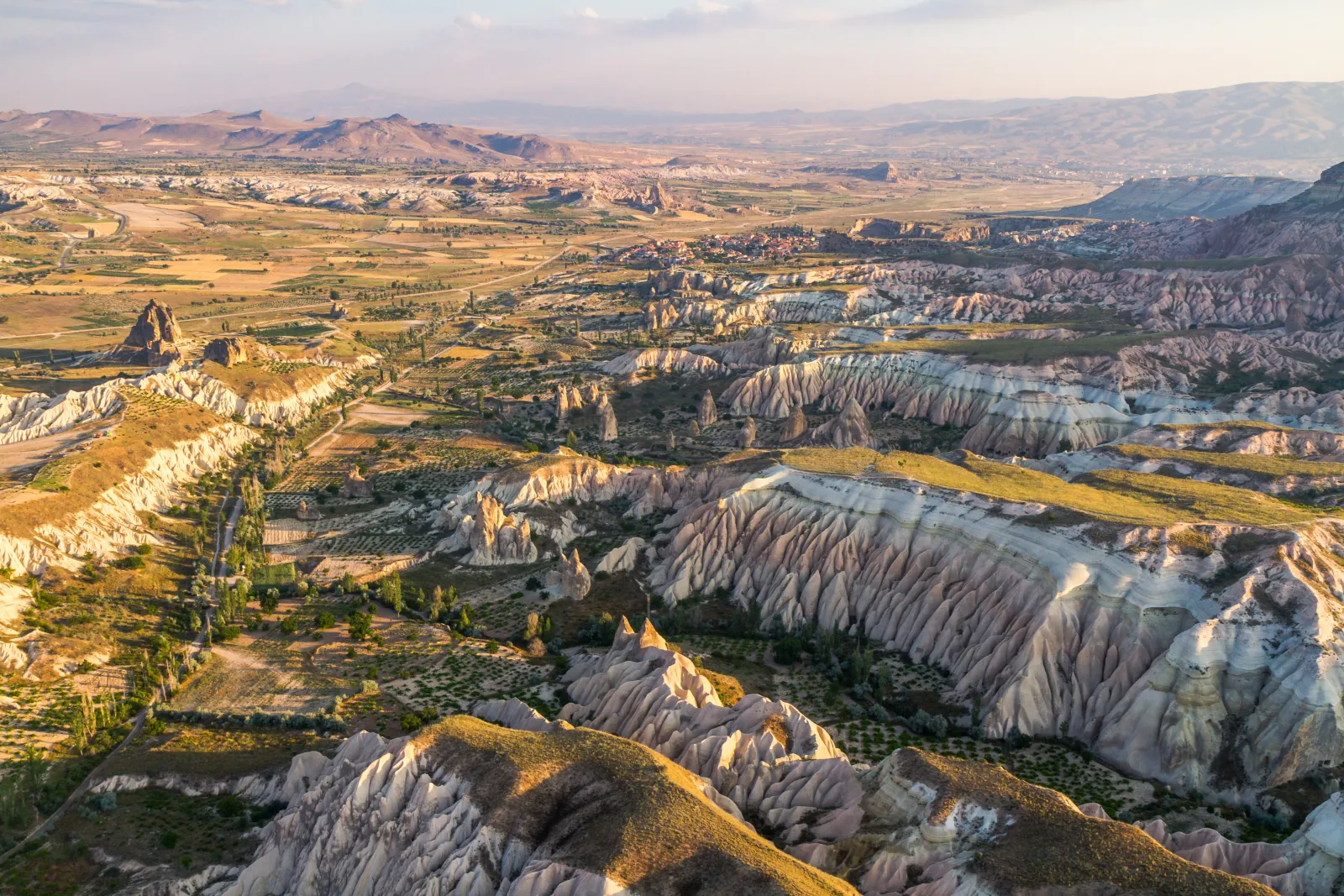
Turkey has four distinct seasons, and the day-to-night temperature swing can be large. This is most noticeable in Cappadocia and the central inland plateau, where mornings are cold and afternoons warm even in the same week.
The reliable answer for any season is layers. A base layer, a sweater and a packable jacket let you adjust through a single day rather than guess in advance.
Summer (June to September)
Pack light, breathable clothing in cotton or linen. Daytime temperatures along the coast and in Istanbul regularly sit between 28 and 35 degrees C. Add strong sun protection: a wide hat, sunglasses, a high-factor sunscreen and a refillable water bottle.
Winter (December to February)
Bring a genuinely warm coat and a rain layer. Istanbul is cool and damp, often 5 to 10 degrees C, while Cappadocia and the east see snow. A waterproof jacket and warm socks make winter sightseeing far easier.
Spring and Autumn (March to May, October to November)
These shoulder seasons are the most comfortable for walking. Days are mild and pleasant, but evenings cool quickly. A light sweater or jacket for dinner outdoors is usually all you need to add.
What Else Should You Bring?
A plug adapter is essential. Turkey runs on 220V electricity and uses European-style round-pin sockets, known as Type C and Type F. Travelers from the US, UK, Canada and Australia all need an adapter to charge phones and cameras.
A few small items make the trip smoother. Pack a reusable water bottle, a day bag that closes securely, and that light scarf, which doubles for mosques, cool evenings and shade. For current weather and regional guidance, the official tourism portal at goturkiye.com is a useful planning reference.
Do You Need to Dress Modestly in Turkey?
Outside of mosques, dressing modestly is a personal choice, not a requirement. In the big cities and resort areas, people wear whatever they like, and visitors blend in easily.
More conservative dress is common in rural areas of central and eastern Turkey, away from the main tourist routes. If you travel to smaller towns there, lightly covered shoulders and longer trousers help you feel at ease, the same courtesy you might show in any small community. It is consideration, not a rule.
Solo travelers often ask about this most. Our guide to solo female travel in Turkey goes deeper into day-to-day experience and practical comfort.
Your Quick Packing Checklist
- Broken-in, supportive walking shoes for cobblestones and ruins
- Layers: base layer, sweater and a packable jacket
- A light scarf for mosques, evenings and sun
- Clean socks for mosque visits
- Sun protection in summer; a warm coat and rain layer in winter
- A Type C or F plug adapter for 220V sockets
- A secure day bag and a reusable water bottle
Pack for the season and for a lot of walking, keep a scarf handy for mosques, and you are set. If you would like a route shaped around the places you most want to see, tell us about your trip and we will help you plan it.
Frequently Asked Questions
Do I have to cover my hair in Turkey?
No, you only cover your hair inside mosques. Women wear a scarf over their hair in the prayer area, but everywhere else in Turkey your hair stays uncovered.
Can I wear shorts in Turkey?
Yes, shorts are fine in cities and resort areas. Inside mosques you need your knees covered, so carry light trousers or a wrap for those visits.
What should women wear in Turkey?
Women can wear what they would wear in any European city, including dresses, sleeveless tops and swimwear at the beach. The only requirement is covering shoulders, knees and hair inside mosques.
What kind of shoes should I pack for Turkey?
Pack comfortable, broken-in walking shoes with good support. You will cross cobblestones, hills and ancient stone, often walking well over 10,000 steps a day at sites like Ephesus.
What plug adapter do I need for Turkey?
Turkey uses 220V electricity with European-style round-pin sockets, Type C and Type F. Travelers from the US, UK, Canada and Australia all need an adapter.
What should I wear in Turkey in winter?
Bring a warm coat, a waterproof rain layer and warm socks. Istanbul winters are cool and damp around 5 to 10 degrees C, while Cappadocia and eastern Turkey get snow.
Are scarves provided at mosques in Turkey?
Many large mosques keep scarves and wraps at the entrance for visitors to borrow free of charge. Bringing your own light scarf is still convenient for smaller mosques and quick stops.
What is the best time of year to visit Turkey for comfortable weather?
Spring and autumn, roughly March to May and October to November, are the most comfortable for walking. Days are mild and evenings only cool slightly, so a light sweater is usually enough.