
Fethiye to Olympos — Four Days on the Mediterranean by Gulet
Fethiye
Overview
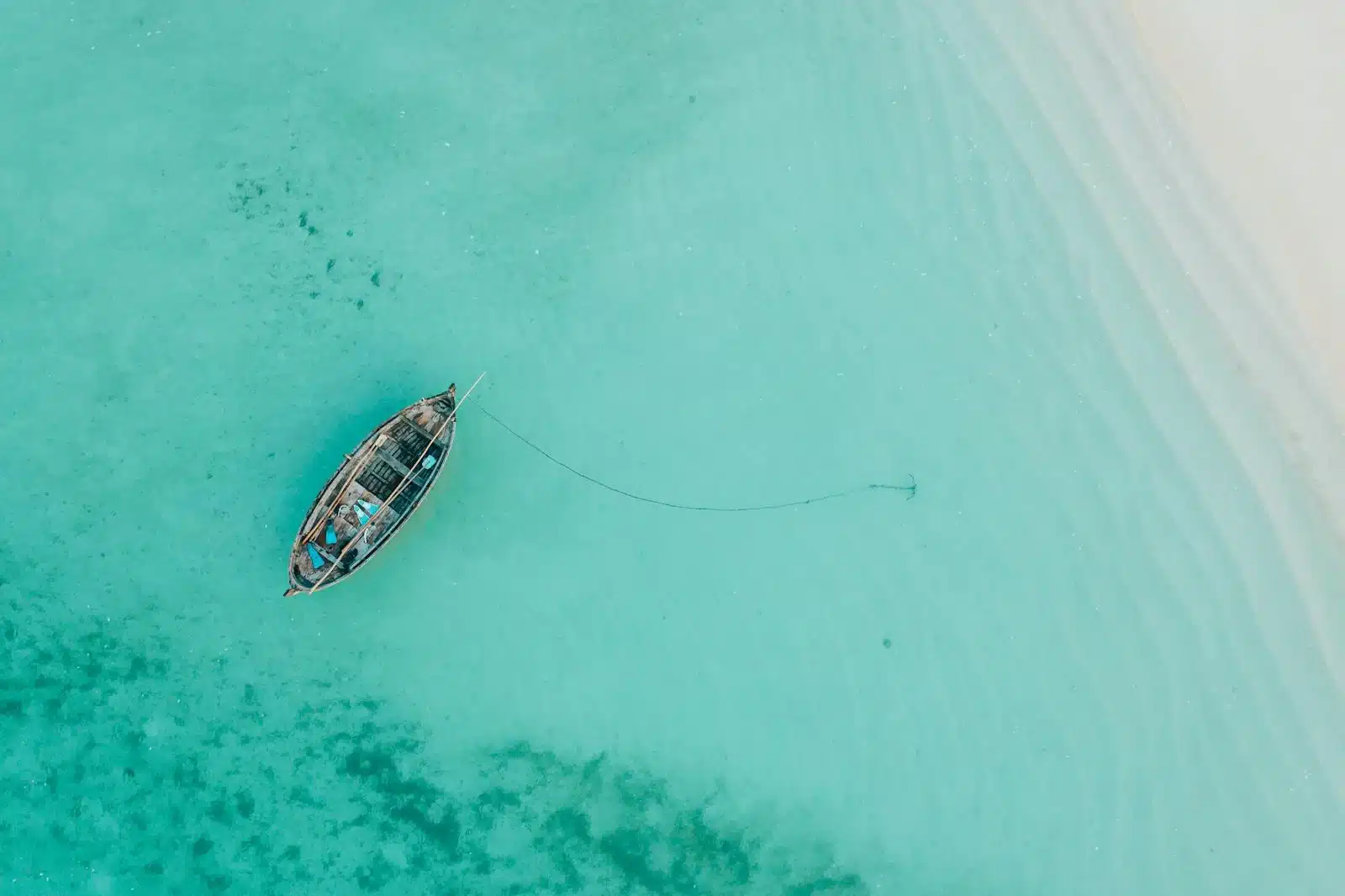
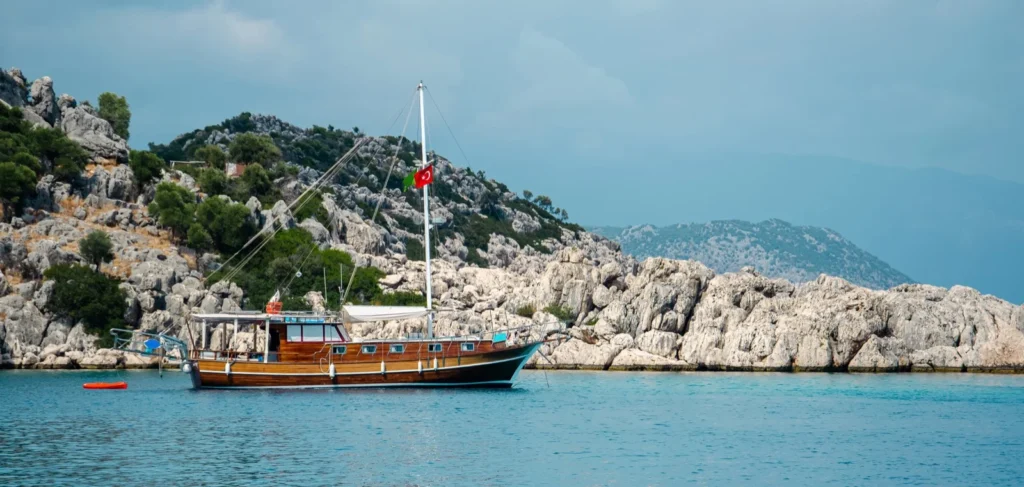
This is not a land tour. You sleep on the water, eat on deck, and wake up anchored in a different cove each morning. The vessel is a gulet — a traditional Turkish wooden sailing boat, handbuilt and wide-hulled, designed for exactly this kind of coastal cruising.
Your route follows the Lycian coast from Fethiye to Demre, passing through some of the most protected stretches of Turkey’s Mediterranean shoreline. You’ll anchor at Butterfly Valley, where a steep gorge meets the sea. You’ll swim at the Blue Lagoon in Oludeniz. You’ll walk through the harbor town of Kas, explore the sunken city of Kekova from the waterline, and reach Simena — a village accessible only by boat, with a medieval castle looking down over the bay.
The pace is set by the water, not a schedule. Meals are prepared on board by the crew. The swimming stops are chosen by the captain based on conditions. If you want to spend an extra hour in the water at Aquarium Bay, you spend an extra hour in the water at Aquarium Bay.
Day-by-Day Itinerary
Fethiye Marina to Oludeniz Coast
You board the gulet at Fethiye Marina in the late morning. Once the crew casts off, the city drops away quickly.
- Butterfly Valley — a narrow gorge flanked by 350-meter cliffs, named for the Jersey Tiger butterflies that breed here in summer. The boat anchors offshore; you swim in or take a tender to the beach.
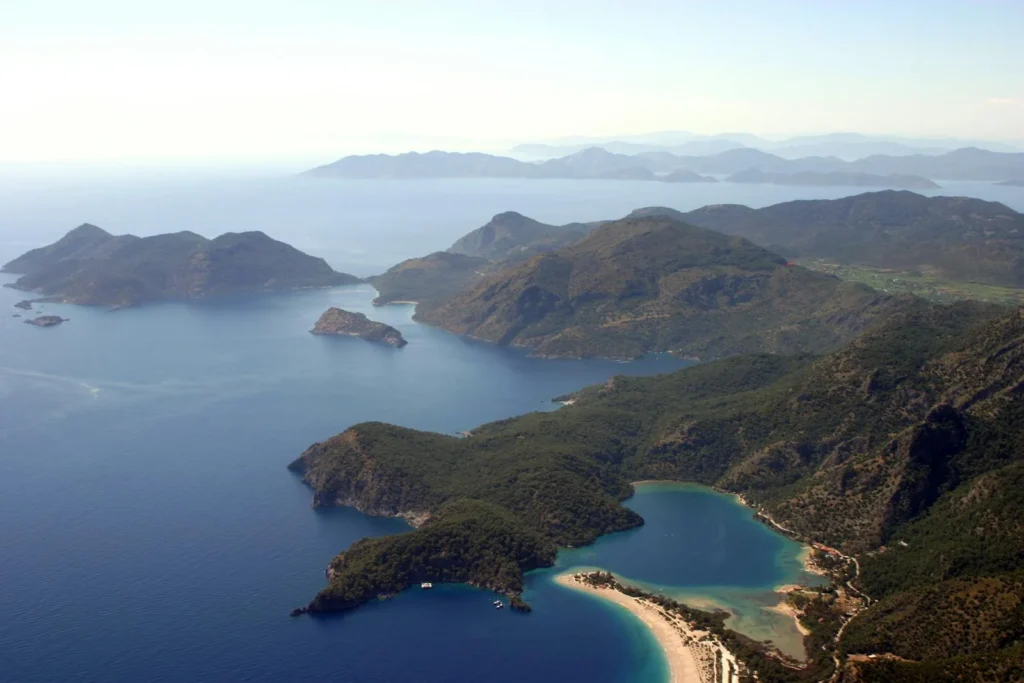
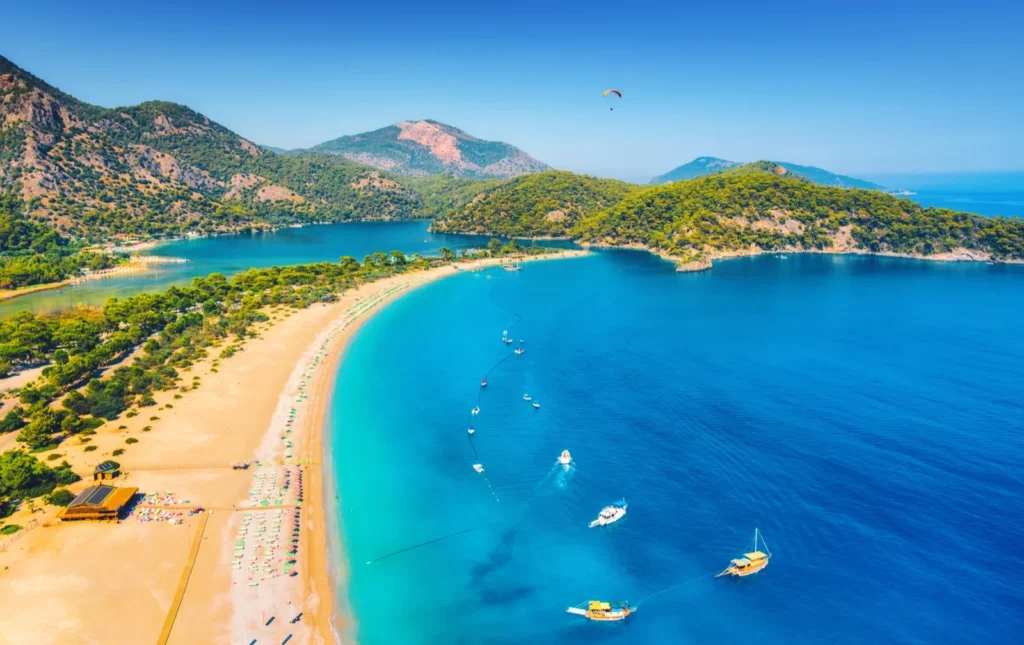
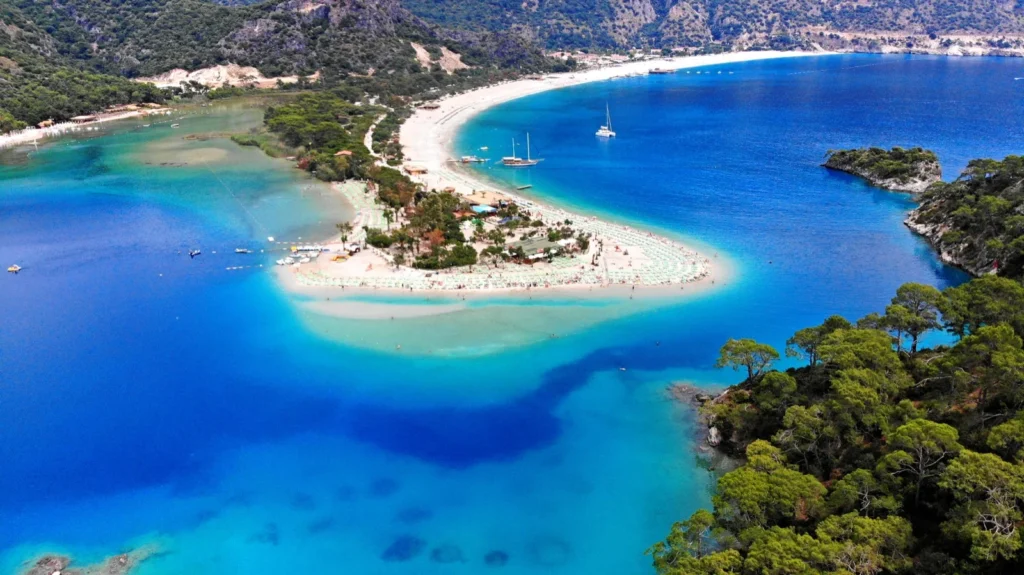
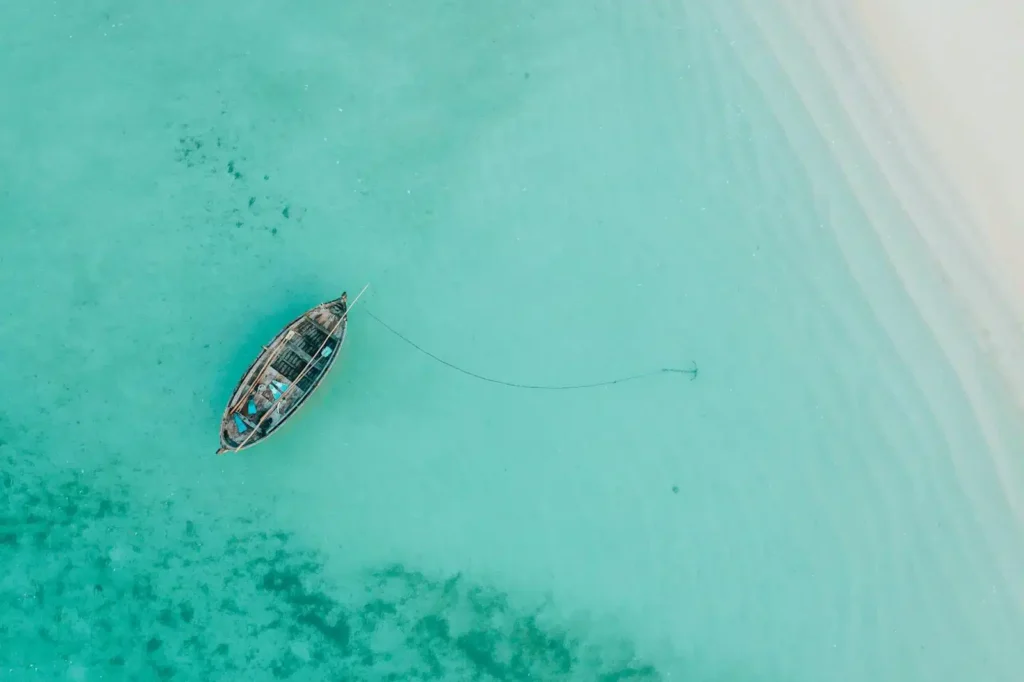
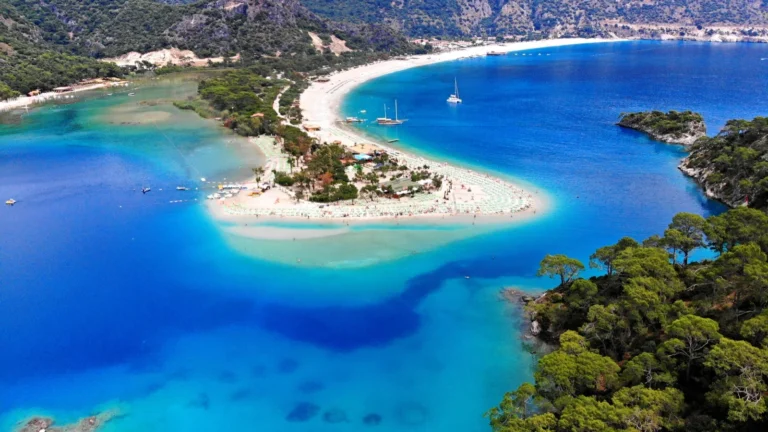
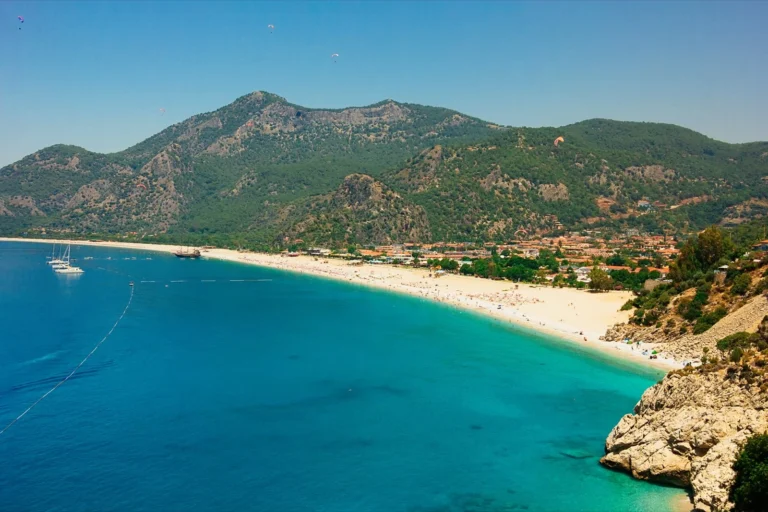
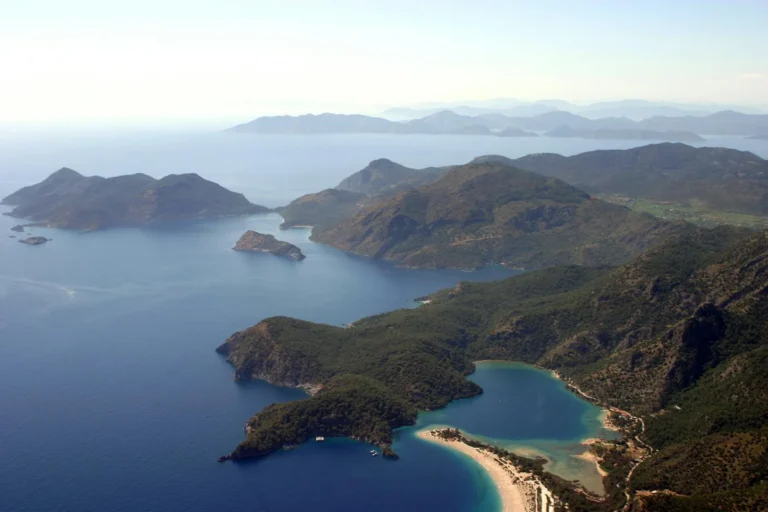
- Blue Lagoon, Oludeniz — the most photographed stretch of coastline in Turkey, and it earns the reputation. The water is warm, shallow, and absurdly clear. You’ll have time to swim before the boat moves on.
- St. Nicholas Island (Gemiler) — a small island covered in Byzantine church ruins and mosaic floors dating to the 5th and 6th centuries. Some historians believe this was the original burial site of St. Nicholas — the historical figure behind Santa Claus.
Dinner is served on deck as the sun drops behind the islands. The crew handles everything.
Mediterranean Coast to Kas
The morning starts with breakfast on deck and a swim off the side of the boat. Then the gulet heads east along the Lycian coast.
- Kas — a small harbor town built into the hillside, with whitewashed houses, bougainvillea, and a pace that has not caught up with the rest of the coast. The boat docks and you have free time to walk the narrow streets, sit at a waterfront cafe, browse the art galleries, or simply watch the fishing boats come in. Kas has a weekly market on Fridays worth timing if you can.
- Aquarium Bay — named for visibility that can reach 20 meters on calm days. The bay is sheltered, the bottom is white sand, and the snorkeling is as good as it gets on this coastline. The boat anchors here for a long swimming stop.
The evening is quiet — dinner on board, the Taurus Mountains visible in the last light.
Kekova and Simena
This is the day most passengers remember longest. The boat enters the Kekova region — a protected zone of sunken ruins, island fortresses, and villages untouched by road access.
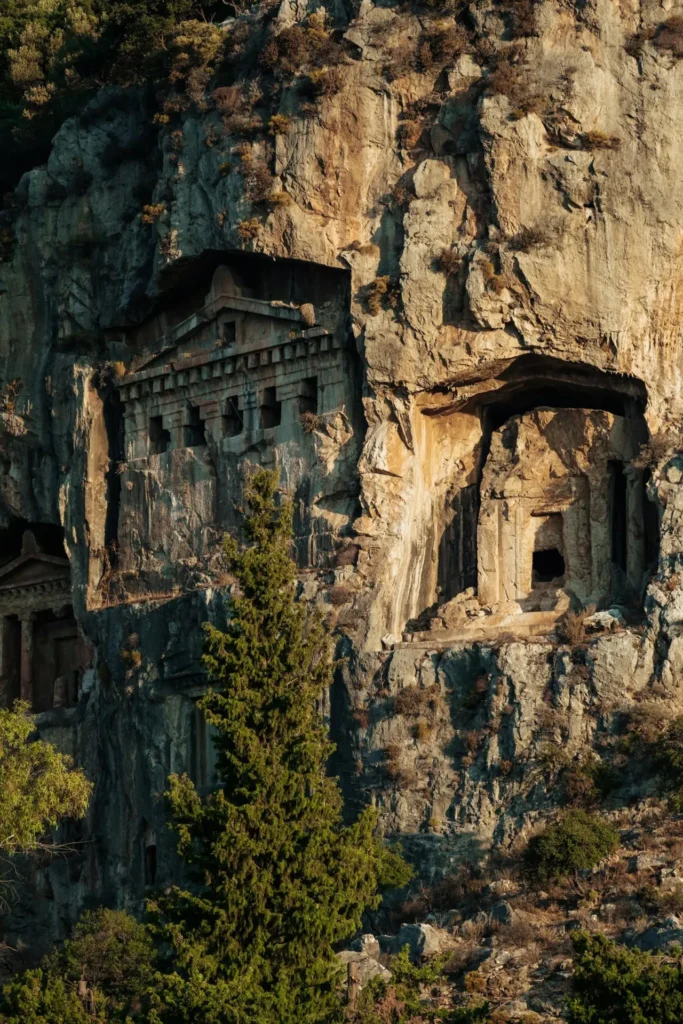
- Kekova Sunken City — an ancient Lycian settlement partially submerged by a 2nd-century earthquake. You’ll see walls, stairways, and building foundations just below the waterline as the boat glides slowly through the protected zone. Swimming is restricted here to preserve the ruins, but the viewing from the boat is remarkably clear.
- Simena (Kalekoy) — a village you can only reach by boat. Stone houses climb up from the harbor to a medieval castle at the top. The walk up takes about 15 minutes and the view from the battlements covers the entire bay, the sunken city, and the islands beyond. There is a small tea garden at the top — the kind of place where the owner remembers your order if you come back the next day.
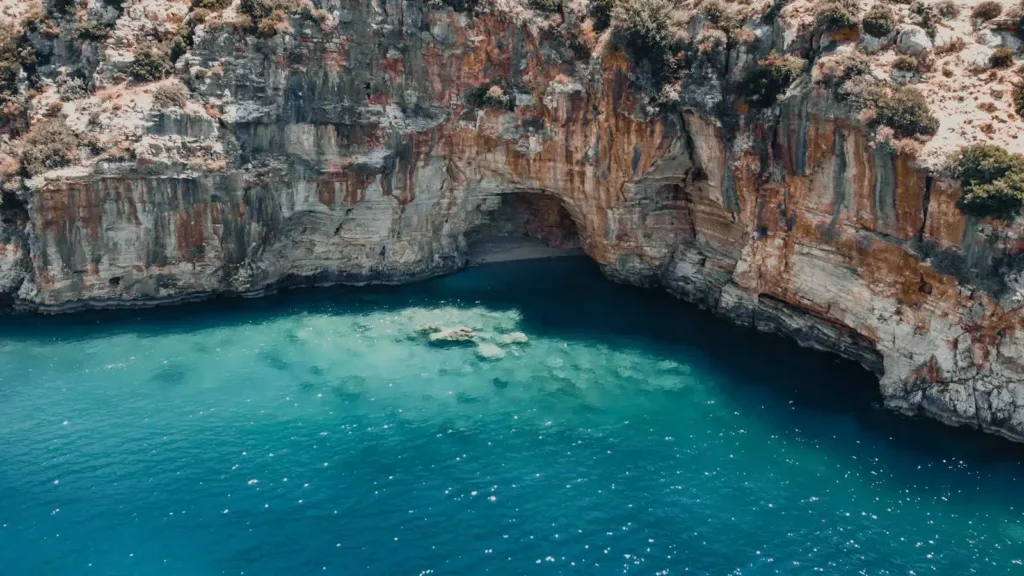
- Hidden Coves — the captain picks the afternoon swimming stops based on wind and current. These are the bays that do not appear on most maps, accessible only by water.
Final Swim and Transfer to Antalya
Breakfast on deck one last time. The crew finds a calm bay for a morning swim — no rush, the schedule exists to serve you, not the other way around.
The gulet docks at Demre Harbor by late morning. From there, a road transfer takes you to Antalya (approximately 2.5 hours). You’ll be dropped at your Antalya hotel or at Antalya Airport, depending on your onward plans.
What's Included
- 3 nights accommodation on board a traditional wooden gulet
- All meals on board (breakfast, lunch, dinner) prepared by the crew
- Professional crew including captain and cook
- Fuel and port/harbor fees
- Swimming and snorkeling stops as per the route
- Tender boat transfers to shore where needed
- End-of-cruise road transfer from Demre Harbor to Antalya (hotel or airport)
Not Included
- Alcoholic beverages (available for purchase on board)
- Water sports equipment rental (kayaks, paddleboards — available at some stops)
- Entrance fees to onshore sites (Simena Castle, St. Nicholas Island)
- Personal expenses
- Travel insurance
- Crew gratuities (optional, appreciated)
Who Is This Tour For?
This cruise works well for:
- Sea lovers and digital detox seekers — four days without hotel lobbies, traffic, or reliable Wi-Fi, just the Lycian coastline sliding past your deck
- Adventure couples who want something more personal than a resort — you anchor at Butterfly Valley, swim at Aquarium Bay, and eat crew-cooked meals under open sky
- Backpackers who want comfort without a resort price tag — shared gulet cabin, all meals included, and access to coves you cannot reach by road
- Travelers who have done enough mosques and ruins and want Turkey’s Mediterranean coast from the waterline — Kekova’s sunken city, Simena’s castle village, and swimming stops chosen by the captain
Frequently Asked Questions
A gulet is a traditional Turkish wooden sailing vessel, typically 20-30 meters long, with a wide hull designed for stability and comfort. They are handbuilt along the Aegean and Mediterranean coasts and have been used for coastal cruising for decades. Your gulet will have private or semi-private sleeping cabins, a shared bathroom, a sun deck, and a shaded dining area at the stern.
Generally, yes. Gulets hug the coastline and anchor in sheltered bays overnight, so you are rarely in open water with significant swells. The wide hull keeps things stable. That said, if you are prone to motion sickness, bring medication as a precaution — conditions can vary.
Group sizes vary, but gulets on this route typically carry 8-16 passengers. The atmosphere is informal and social, but the boat is large enough that you can find your own space on deck.
For private charters, yes — we can adjust stops, extend the cruise, or combine it with a land-based itinerary before or after. For shared departures, the route follows the published itinerary with flexibility built in for swimming stops and timing.
Light clothing, swimwear, sunscreen, a hat, comfortable shoes for walking in Kas and Simena (the paths are uneven stone), and a light jacket for evenings on deck. The Mediterranean is warm from May through October, but nights on the water can be cooler than you expect.
May through October. June and September are the sweet spot — warm water, clear skies, and fewer boats in the popular bays. July and August are peak season with hotter temperatures and more traffic on the water.
Gallery
4 Days · Guided Tour
Get Your Personalized Quote
From
$
665
/per person
You Might Also Like
 1 Day
1 DayFethiye 12 Islands Boat Trip
The coastline off Fethiye is scattered with small islands, each with its own character — shallow turquoise bays,…
 9 Days
9-Day Istanbul, Fethiye Blue Cruise & Antalya Tour
You'll spend your first days in Istanbul on your own terms — choosing between the Ottoman grandeur of Sultanahmet and…
 1 Day
1 DayFethiye Oludeniz Boat Trip
Oludeniz is famous for its lagoon, but the real coastline starts where the beach ends. This boat trip heads south from…