What Currency Does Turkey Use?
Turkey uses the Turkish lira, written with the lira sign (₺) and the code TRY. Cards work almost everywhere, so you do not need to carry large sums of cash. Bring a little lira for bazaars, taxis, and tips, and let your cards cover the rest.
The lira moves a great deal against the dollar, euro, and pound. For that reason I will not quote a rate here, because any number would be wrong within weeks. Check a live converter on your phone a day or two before you fly, then again when you arrive.
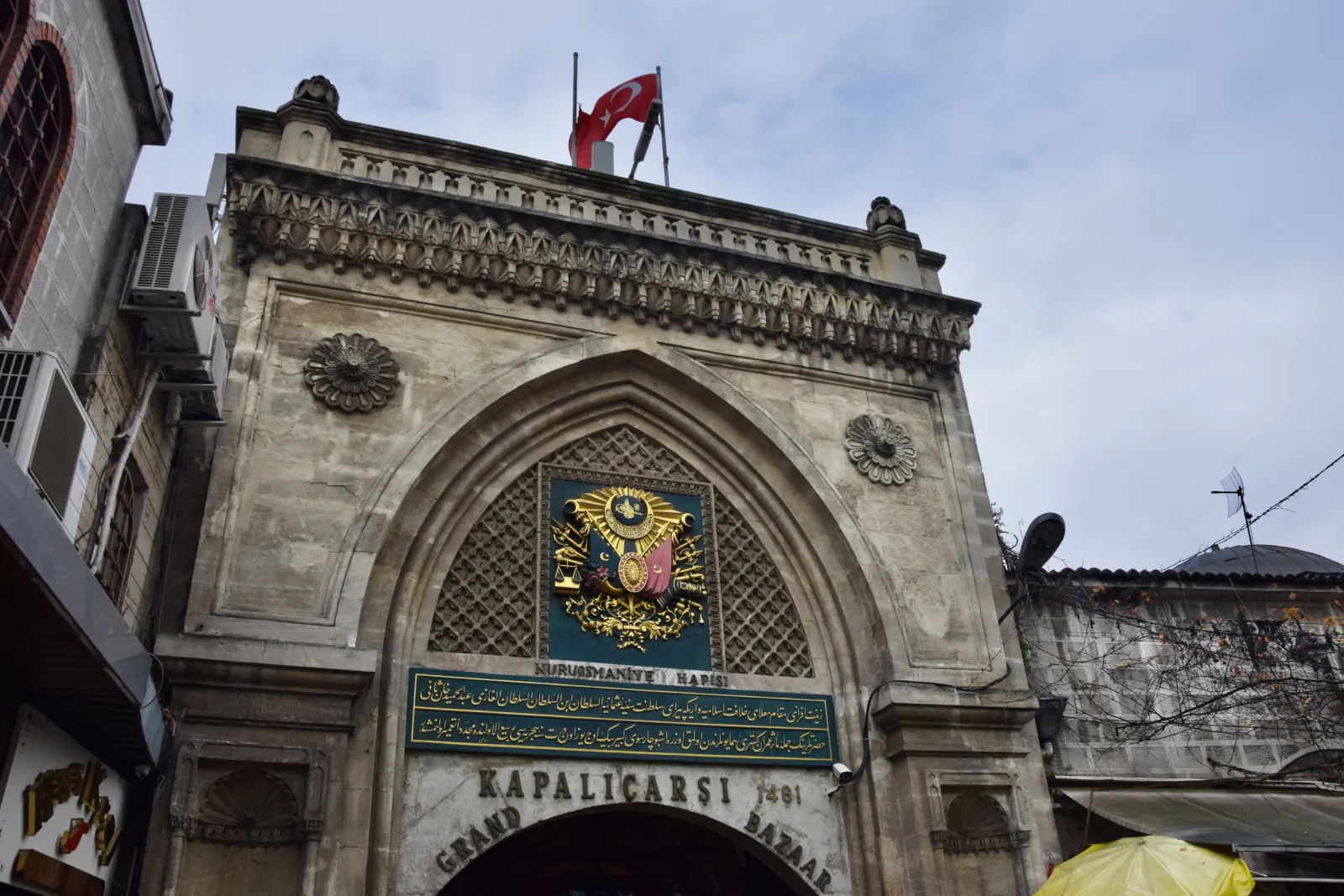
Banknotes come in denominations from 5 up to 200 lira, with coins for smaller amounts. Keep a few small notes in your pocket for a bottle of water, a simit, or a short taxi ride. Vendors near the Grand Bazaar rarely have change for the largest notes.
Are Credit Cards Accepted in Turkey?
Yes. Visa and Mastercard are accepted almost everywhere in Turkey, from hotels and restaurants to museums and supermarkets. Contactless tap payment is common, even at small cafes in Istanbul and Cappadocia. American Express is hit-or-miss, so do not rely on it as your only card.
Carry some cash anyway. You will want it for the bazaars, small family shops, street food, public toilets, and many taxis. Rural areas and village markets often run on cash alone, and a card reader may be nowhere in sight.
Before you leave home, tell your bank you are travelling to Turkey. This keeps your card from being frozen on the first purchase as a suspected fraud. Travelers I guide are sometimes caught out by this on day one, standing at a till with a blocked card.
Where Should You Withdraw Cash in Turkey?
Use ATMs from major Turkish banks such as Garanti, İş Bankası, or Ziraat. These machines give fair exchange rates and sit on most main streets and inside shopping centres. You will find them within a short walk of nearly any hotel in a city centre.
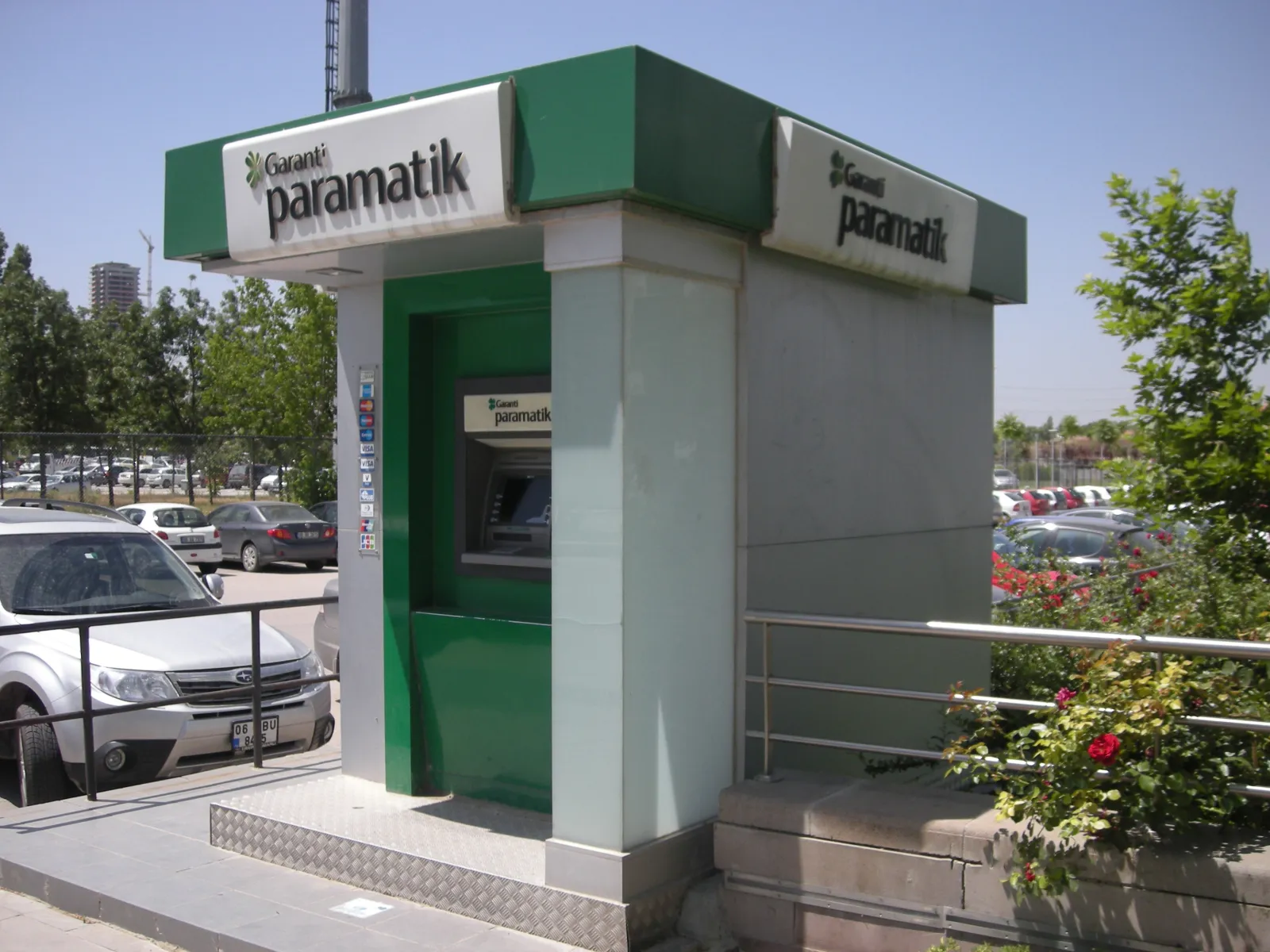
Avoid the exchange desks at the airport, the counters inside hotels, and standalone exchange kiosks aimed at tourists. Their rates are noticeably worse, and the difference adds up over a two-week trip. The Central Bank of the Republic of Türkiye publishes official reference rates at tcmb.gov.tr if you want to see where the lira sits.
Withdraw a few days of spending money at once rather than tiny amounts daily. That reduces the per-transaction fees your home bank may charge. Cover the keypad when you enter your PIN, a habit worth keeping anywhere.
Should You Pay in Lira or Your Home Currency?
Always choose Turkish lira when a card machine or ATM asks. When the screen offers to charge you in dollars, euros, or pounds instead, that is dynamic currency conversion, and it uses a poor rate set by the machine. Letting your own bank handle the conversion is almost always cheaper.
The prompt looks helpful because it shows a familiar currency. Decline it. Tap or press the option for lira (TRY), and your bank will convert at its own rate when the charge clears.
This single habit can save you several percent on every card payment. Over a trip with hotels, dinners, and tour add-ons, that is a real amount of money kept in your pocket.
How Much Should You Tip in Turkey?
Tipping in Turkey is appreciated but lighter than in the United States. In restaurants, around 10 percent is generous and welcome. For taxis, rounding up the fare to the nearest convenient note is the norm rather than a percentage.
A few other moments call for a tip. Hammam attendants who scrub and massage you, hotel staff who carry bags, and tour guides who spend the day with you all appreciate a cash thank-you. There is no rigid formula, so tip in proportion to the care you received.
Give tips in cash, even when you paid the bill by card. Card machines here usually do not add a tip line, and staff receive cash tips directly. Keep a small stash of lira notes set aside for this purpose.
As of 2026, the government banned automatic cover charges, known as kuver, and forced service fees on restaurant bills. This means the lira you hand over goes to the staff as a genuine thank-you, not into a mandatory line item you never agreed to.
How Do You Exchange Money for Turkey?
The simplest approach is to arrive with a small amount of lira for your first taxi or coffee, then top up at a bank ATM. You rarely need to exchange physical foreign cash at all. A card plus occasional ATM withdrawals covers most travelers comfortably.
If you do want to change cash, reputable exchange offices (döviz) in city centres beat airport and hotel desks. Compare the buy and sell rates posted in the window, and ask whether there is a commission before you hand anything over.
Plan your cash needs around where you are going. A few days in Istanbul shopping the bazaars calls for more lira than a stay in a cashless boutique hotel. Our first-timer planning guide walks through budgeting alongside the rest of your itinerary.
How Do You Keep Your Money Safe in Turkey?
Turkey is a generally safe place to handle money, and ordinary care is enough. Split your cash and cards between two places, such as a wallet and a zipped inner pocket, so one loss does not strand you. Use ATMs attached to bank branches rather than isolated machines.
In busy spots like the Grand Bazaar or crowded trams, keep your bag in front of you and zipped. Pickpocketing is uncommon but not unheard of in tourist crush. For a wider view of staying secure, see our notes on whether Turkey is safe to visit in 2026.
Carry the phone number for your bank’s lost-card line, saved offline. If a card is blocked or swallowed by a machine, you can sort it out quickly. Having a backup card from a different bank is the simplest safety net of all.
What Should You Do Before You Fly?
A short checklist saves trouble later. Tell your bank your travel dates so cards are not blocked, and confirm your card works abroad without a separate fee per use. Set up your banking app so you can monitor charges and freeze a card yourself if needed.
Pack a backup payment method and keep small notes handy for small purchases. With cards for most spending and a little lira for the bazaar and tips, the money side of your trip stays quietly in the background, which is exactly where it should be.
Have a question about budgeting for your own itinerary? Tell us about your trip and we will help you plan a route that fits how you like to spend.
Frequently Asked Questions
What currency is used in Turkey?
Turkey uses the Turkish lira, written with the lira sign (₺) and the code TRY. The rate against the dollar, euro, and pound changes constantly, so check a live converter before you travel.
Can I use my credit card everywhere in Turkey?
Visa and Mastercard are accepted almost everywhere, including hotels, restaurants, museums, and supermarkets. American Express is less reliable, and bazaars, small shops, taxis, and rural areas often need cash, so carry some lira too.
Should I pay in lira or my home currency on a card machine?
Always choose Turkish lira when the machine asks. Letting your own bank convert the charge is cheaper than the dynamic currency conversion the machine offers in dollars, euros, or pounds.
Where can I get the best exchange rate in Turkey?
Withdraw cash from ATMs run by major banks such as Garanti, İş Bankası, or Ziraat, which give fair rates. Avoid airport desks, hotel counters, and standalone exchange kiosks, where rates are noticeably worse.
How much should I tip in Turkey?
Tipping is lighter than in the United States. Around 10 percent in restaurants is generous, taxis are usually rounded up, and hammam attendants and tour guides appreciate a cash tip.
Do I need to tip in cash if I paid by card?
Yes, tips are usually given in cash even when you paid the bill by card. Card machines in Turkey rarely add a tip line, so keep small lira notes set aside for this.
Are there cover charges on restaurant bills in Turkey?
No. As of 2026 the government banned automatic cover charges (kuver) and forced service fees, so a direct cash tip is the standard way to thank staff.
Should I tell my bank before travelling to Turkey?
Yes, notify your bank of your travel dates so your card is not blocked as suspected fraud. Carrying a backup card from a different bank is a sensible safety net.