The streets of Ephesus are paved in marble, and you walk on them. Not reconstructed marble, not replica paving, but the actual stone surface that bore the sandals, cart wheels, and bare feet of a city of 250,000 people at the height of the Roman Empire. The marble is worn smooth in places — two thousand years of foot traffic polished the surface before you arrived — and the ruts from cart wheels are cut deep into the stone at the road edges. When it rains, the marble turns reflective and the columns lining the streets double in the wet surface. When it is dry and the sun is high, the light bouncing off the white stone is intense enough to require sunglasses. Either way, you are walking on the same road. When I guide travelers down Curetes Street for the first time, I always ask them to look at their feet before looking up — the cart ruts at the edges tell you this was a working street, not a museum reconstruction.
Ephesus was the capital of the Roman province of Asia and one of the largest cities in the empire — behind only Rome, Alexandria, and Antioch. A city of that status required infrastructure to match, and the marble streets were part of the statement. The two principal arteries — Curetes Street and the Marble Road — run through the center of the ancient city, connecting its major monuments and creating the pedestrian experience that modern visitors follow from one end of the site to the other.
Curetes Street
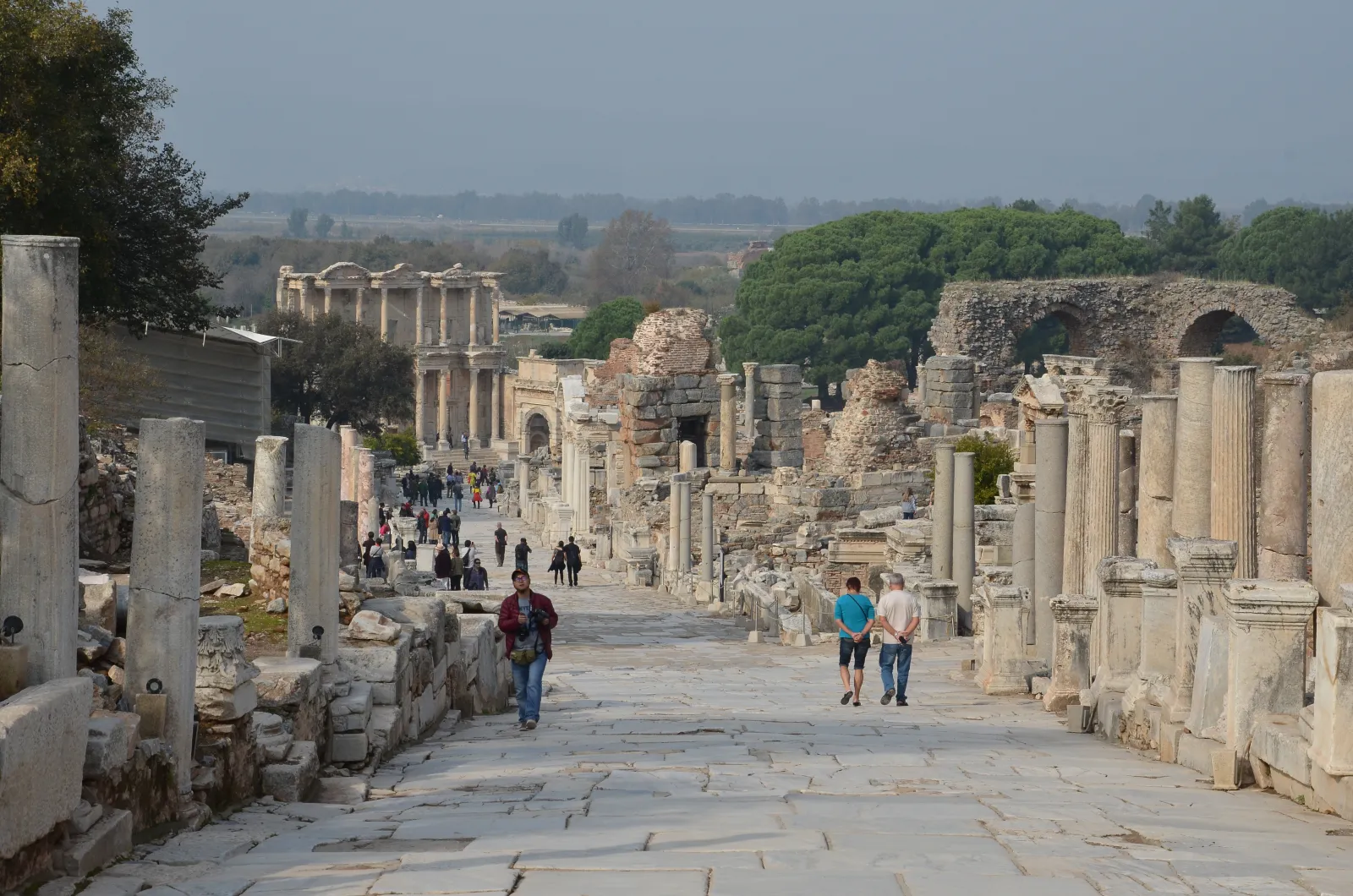
Curetes Street is the main promenade through Roman Ephesus, running from the Library of Celsus at the lower end uphill to the Magnesia Gate at the upper end — a distance of approximately 500 meters. The street is paved in large marble slabs, flanked by columns, and lined on both sides with the monuments, temples, fountains, and public buildings that made up the civic life of the city.
Walking uphill from the library, you pass:
The Gate of Mazaeus and Mithridates — the triple-arched entrance that frames the Library of Celsus from the street side, dedicated by two former slaves of Augustus who earned their freedom and their fortune.
The Scholastica Baths — a large Roman bath complex rebuilt in the fourth century, with a headless statue of Scholastica (the benefactress who funded the renovation) near the entrance. The complex included hot, warm, and cold rooms, a gymnasium, and the communal latrines — a row of marble seats over a running water channel, where Romans conducted social and business conversations in a setting modern visitors find startling.
The Temple of Hadrian — the delicate Corinthian facade with its Medusa relief, covered in a separate guide.
The Terrace Houses — behind and above the south side of the street, accessible through a separate entrance (additional ticket). These were the luxury residences of Ephesus’s elite: multi-story townhouses with mosaic floors, frescoed walls, underfloor heating, and indoor plumbing. They show how the wealthy lived immediately behind the public facades.
The Fountain of Trajan — a two-story monumental fountain (nymphaeum) built in honor of the Emperor Trajan around 104 AD, with a large pool fed by the city’s aqueduct system.
The Memmius Monument — a memorial to the grandson of the Roman dictator Sulla, marking the upper section of the street.
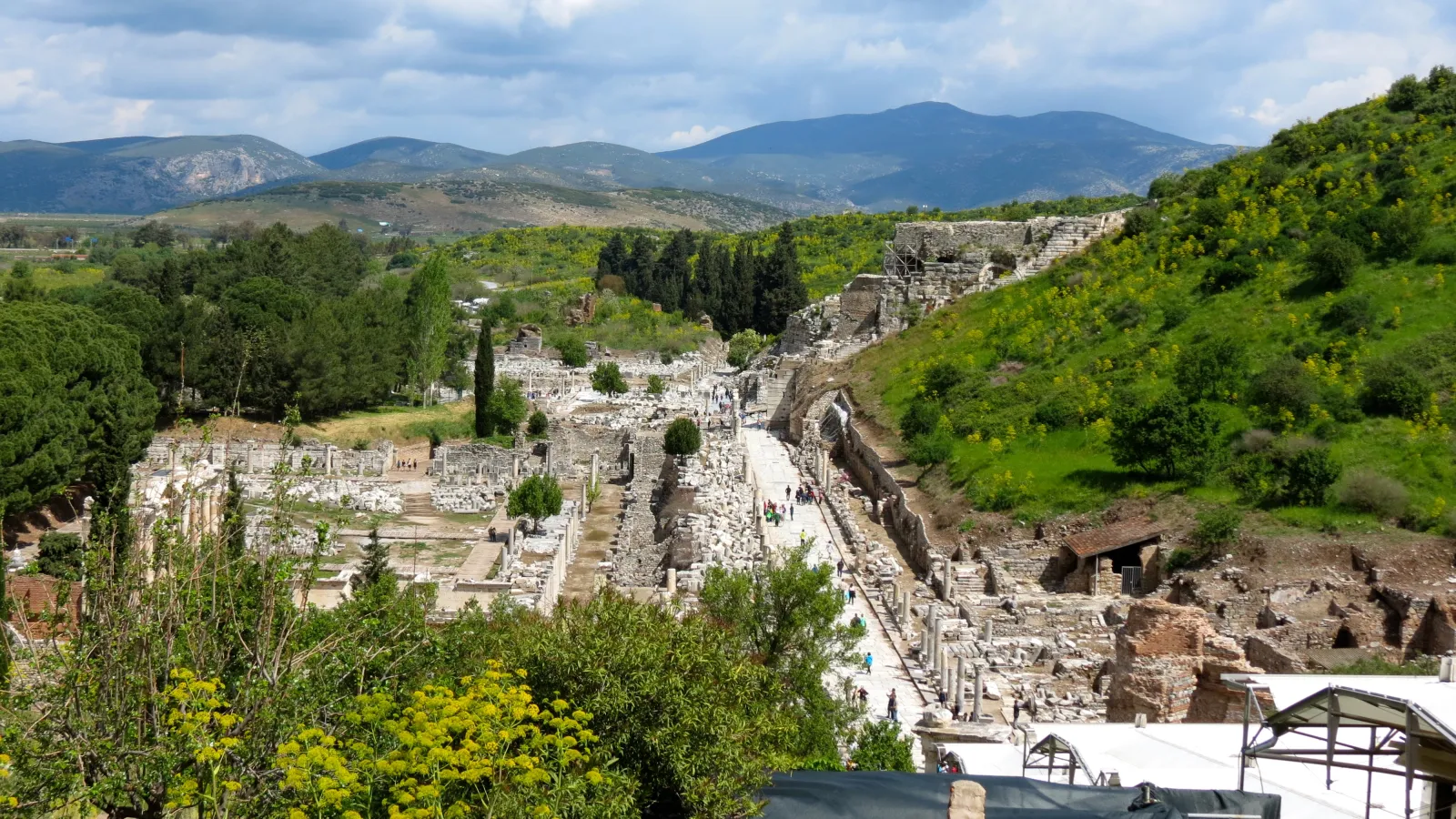
The density of architecture along Curetes Street is its defining quality. You do not walk from one isolated ruin to another — you walk through a continuous urban landscape, the kind of experience that most ancient sites cannot provide.
The Marble Road
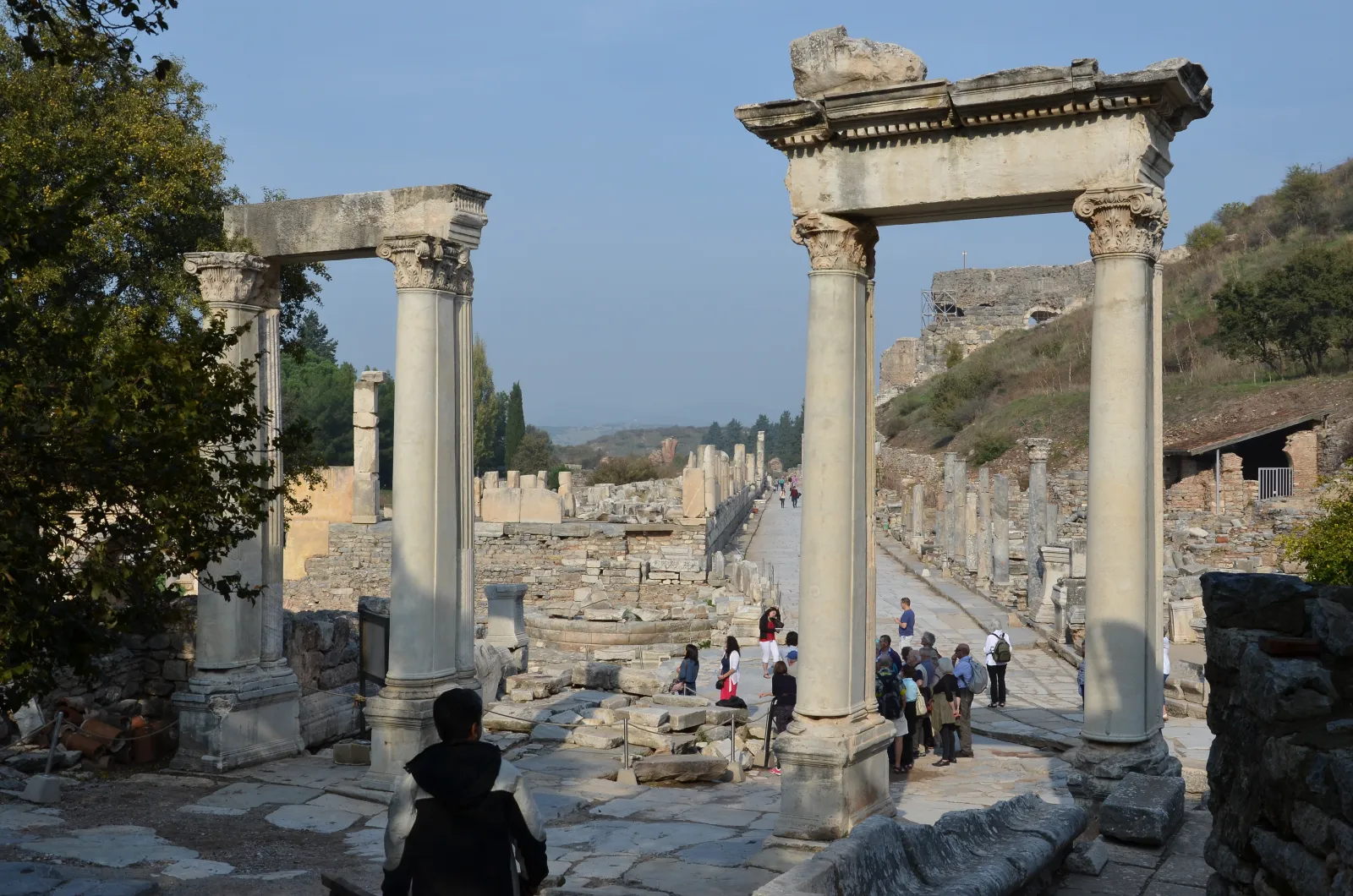
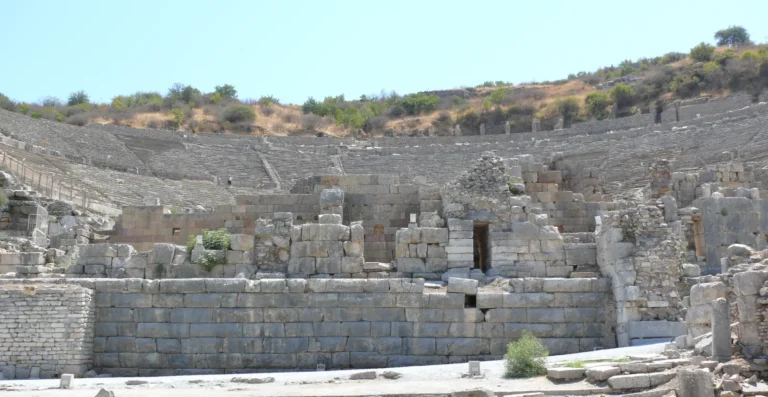
The Marble Road runs from the Library of Celsus north to the Great Theater — approximately 400 meters of marble paving along a gentler grade than Curetes Street. This was the processional route connecting the civic center to the theater and, beyond it, to the harbor via Harbor Street.
The road is wider than Curetes Street and less densely lined with monuments, but it has its own details. The most famous is a carved footprint in the marble surface — an advertisement, according to the traditional interpretation, for a brothel: the footprint points left, toward a building across the street identified (controversially) as a Roman brothel. Whether the carving is genuinely an advertisement, a directional marker, or something else entirely, it is one of the most-photographed details at the site and a reliable conversation starter.
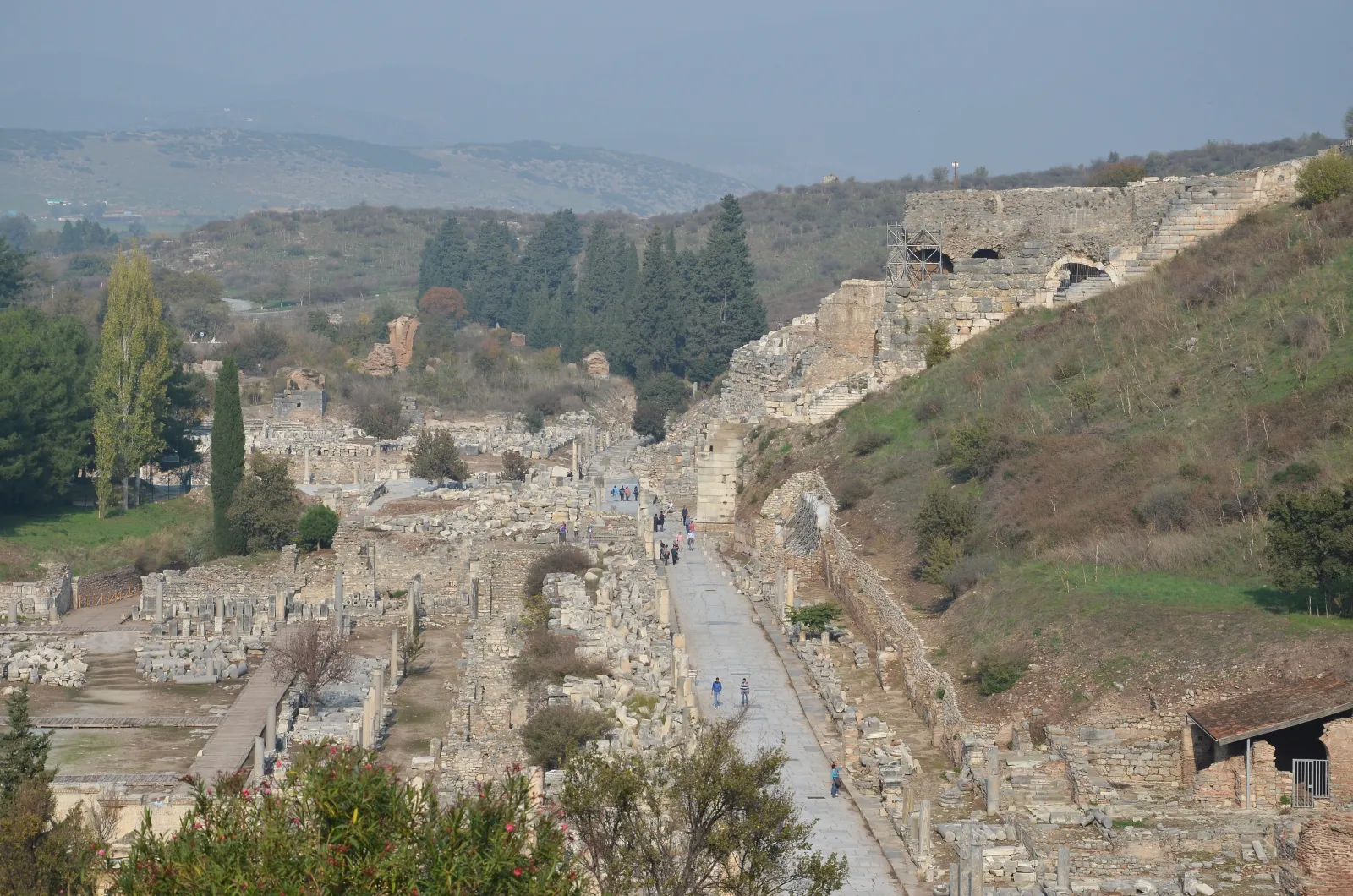
The Marble Road also preserves the best examples of Ephesus’s water management — drainage channels running beneath the paving stones, carrying rainwater and wastewater away from the street surface and into the city’s sewer system. The engineering is invisible unless you look for it, which is precisely the point: Roman infrastructure was designed to work without being noticed.
Harbor Street (Arcadiane)
Beyond the Great Theater, Harbor Street extends 530 meters to where the ancient harbor once stood. The street was built in the Hellenistic period and renovated by the Emperor Arcadius in the fifth century (hence its name). It was colonnaded, marble-paved, and — remarkably — lit at night by oil lamps mounted on the columns. This made Ephesus one of the few cities in the ancient world with street lighting, a status that the ancient sources noted with appropriate awe.
The harbor has silted up — the coastline is now several kilometers to the west — and Harbor Street is less crowded with visitors than Curetes Street, which gives it a different atmosphere. Walking its length, with the theater behind you and the flat marshy plain (once the sea) ahead, you feel the absence of the water and the city it connected to. The harbor was what made Ephesus rich, and losing it was what killed the city.
Practical Information
Walking the site: The standard route is from the upper (Magnesia) gate downhill to the lower (harbor) gate — approximately 1.5 kilometers, covering Curetes Street, the Library of Celsus, the Marble Road, the Great Theater, and Harbor Street. Allow two to three hours for the full walk with stops.
Surface: The marble is smooth and can be slippery, particularly when wet or worn. Wear shoes with good grip — sandals and smooth-soled shoes are not recommended. The site is largely flat to gently sloping, but the Curetes Street section is an incline.
Heat: The site is exposed, with limited shade. Summer temperatures at ground level, reflected off white marble, can exceed 40°C. Bring water, wear sun protection, and consider visiting early morning or late afternoon.
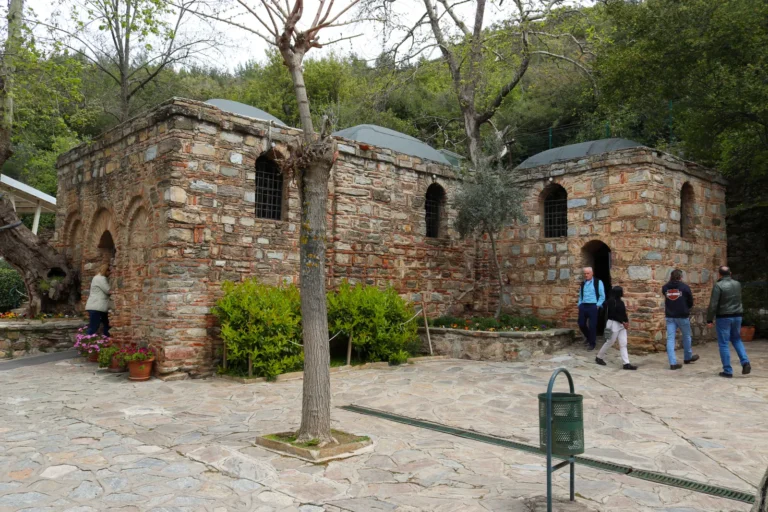
Guided value: A guide transforms the walk from a scenic stroll through ruins into a readable urban landscape — explaining what each building was, how the city functioned, and how the monuments relate to each other. The density of the site means details are easy to miss without context. When I plan a full Ephesus day, I usually combine the marble streets with the House of the Virgin Mary in the afternoon — the ancient city first, then the quiet mountain chapel.
Official resource: Ephesus Archaeological Museum — Ministry of Culture
Combining with other visits: The marble streets and the Great Theater are visited on the same walk. For multi-city trips, see our Istanbul–Cappadocia–Ephesus planning guide.
Plan Your Ephesus Visit
The marble streets of Ephesus are not a museum path through scattered ruins — they are the actual streets of a Roman city, lined with the buildings that made it function. If you would like to walk them with a private guide who can read the city block by block, tell us what interests you and we will build the day around it.