There is a small island in the Bosphorus, roughly 200 meters off the Asian shore of Üsküdar, and on that island there is a tower. It has been there, in one form or another, for approximately 2,500 years. The current structure — white walls, a lead-capped roof, a lantern on top — dates to the eighteenth century, but the island’s function as a watchtower, lighthouse, quarantine station, and customs checkpoint goes back to the Athenian general Alcibiades, who built a toll station here in the fifth century BC to tax ships passing through the strait.
The Turks call it Kız Kulesi — the Maiden’s Tower. The Europeans called it Leander’s Tower, after the Greek myth of Hero and Leander (which actually takes place at the Dardanelles, not the Bosphorus, but geography has never troubled mythology). The Turkish legend is more local: a sultan, warned by a prophecy that his daughter would die of a snakebite, built a tower on this island to keep her safe from every serpent on land. A snake arrived in a basket of fruit. The princess died. The tower remained.
Neither story is history. Both are Istanbul — a city where every stone carries a story that is probably not true but is certainly told.
The History
The earliest confirmed structure on the island dates to 408 BC, when Athens controlled the strait and Alcibiades used the rock as a base for collecting tolls from merchant ships. Under the Byzantines, the island served as a defensive position — a watchtower at the southern approach to Constantinople, connected to the city walls by a chain that could be stretched across the water to block hostile fleets. Emperor Manuel I Comnenus reportedly used it as a detention point in the twelfth century.
After the Ottoman conquest in 1453, the tower was rebuilt several times. It served as a lighthouse, guiding ships through the southern Bosphorus. During the cholera epidemics of the eighteenth and nineteenth centuries, it was repurposed as a quarantine station — the small island providing natural isolation. The current structure, an octagonal tower with a conical roof and a small balcony, was built after a fire in 1721 and restored in 1832.
In the twentieth century, the tower fell into disuse, was briefly a radar station for the Turkish navy, and then sat largely empty until a 1999 restoration converted it into a restaurant and café. A comprehensive renovation completed in 2023 transformed the interior into a museum and cultural center, with exhibits covering the tower’s layered history.
What You See
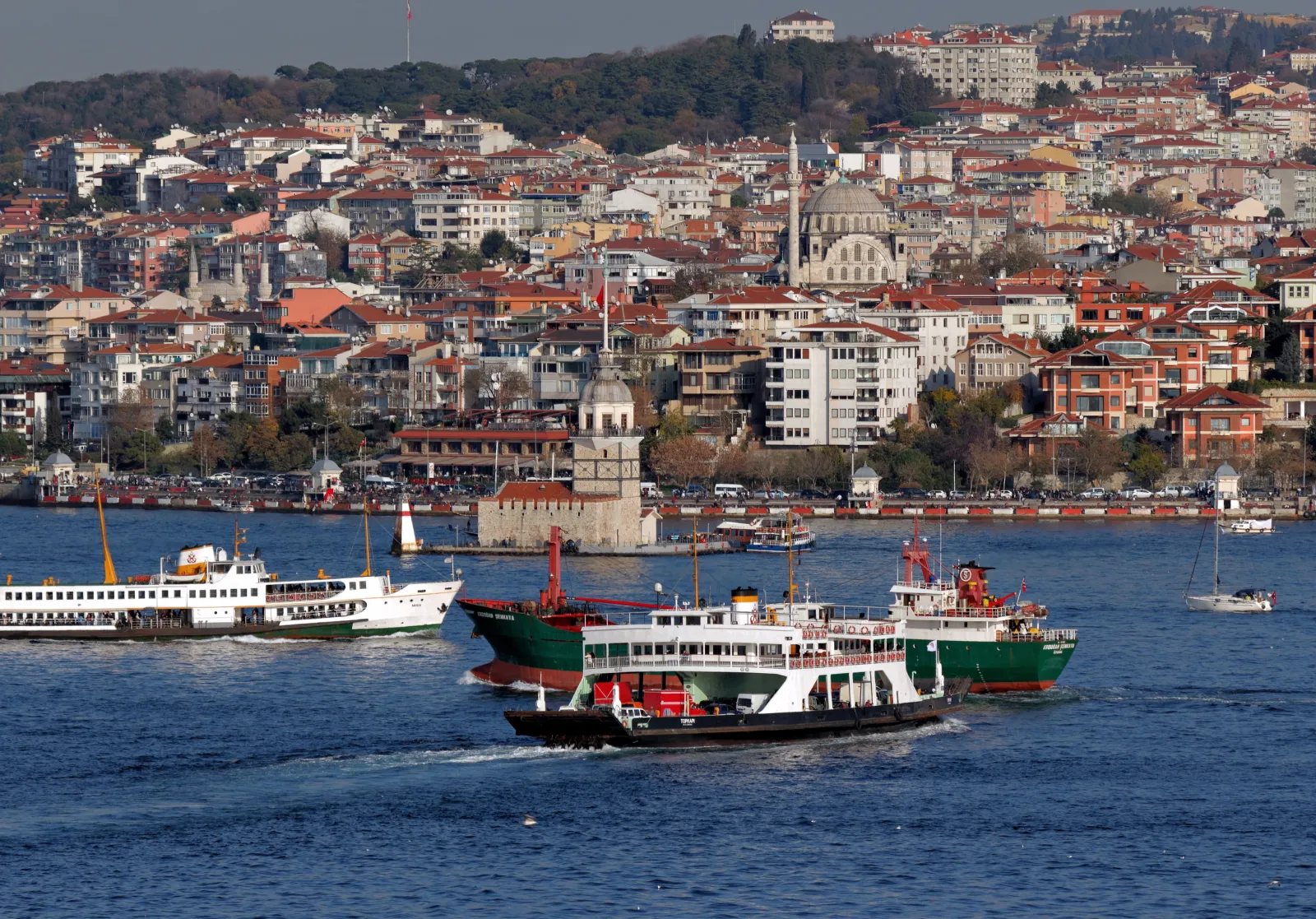
The tower is modest in scale — the island is barely 40 meters across, and the structure rises about 23 meters. What makes it register is not the architecture but the isolation. The tower stands alone in the water, equidistant (or nearly so) from two continents, with the full width of the Bosphorus flowing around it. Ships, ferries, and fishing boats pass on both sides. The current is visible from the tower’s balcony — the Bosphorus moves fast here, where the strait narrows before opening into the Sea of Marmara.
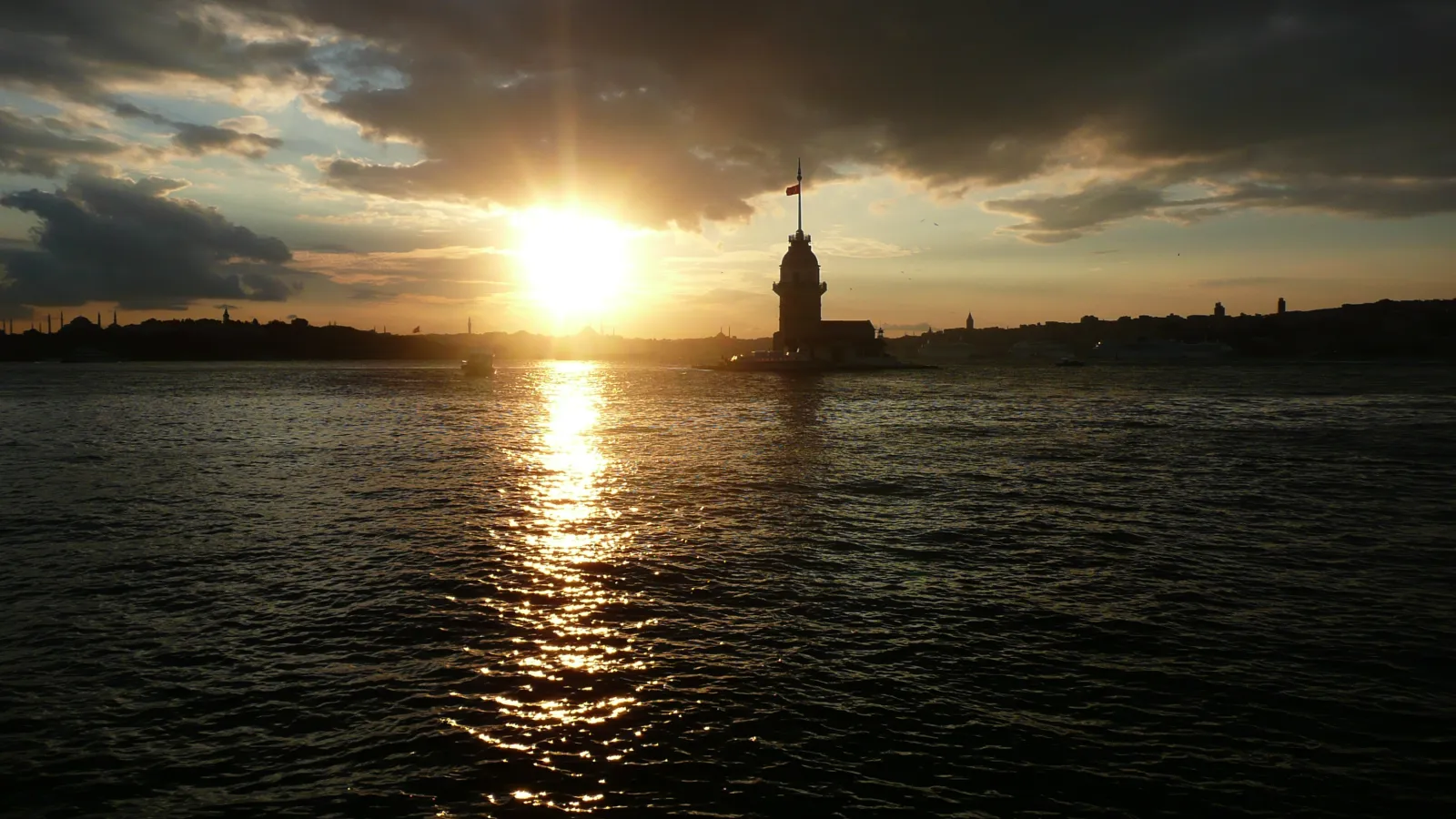
From the European shore, the tower appears as a white dot against the Asian hillside — a familiar element of the Sultanahmet-to-Bosphorus panorama. From the Asian shore at Salacak or Üsküdar, the tower is closer and more intimate, and the European skyline — Topkapı Palace, Hagia Sophia, the Blue Mosque — rises behind it. This is the view that appears on postcards, in films, and in the opening sequence of the James Bond film The World Is Not Enough (1999), which used the tower as a plot location.
The 2023 Restoration
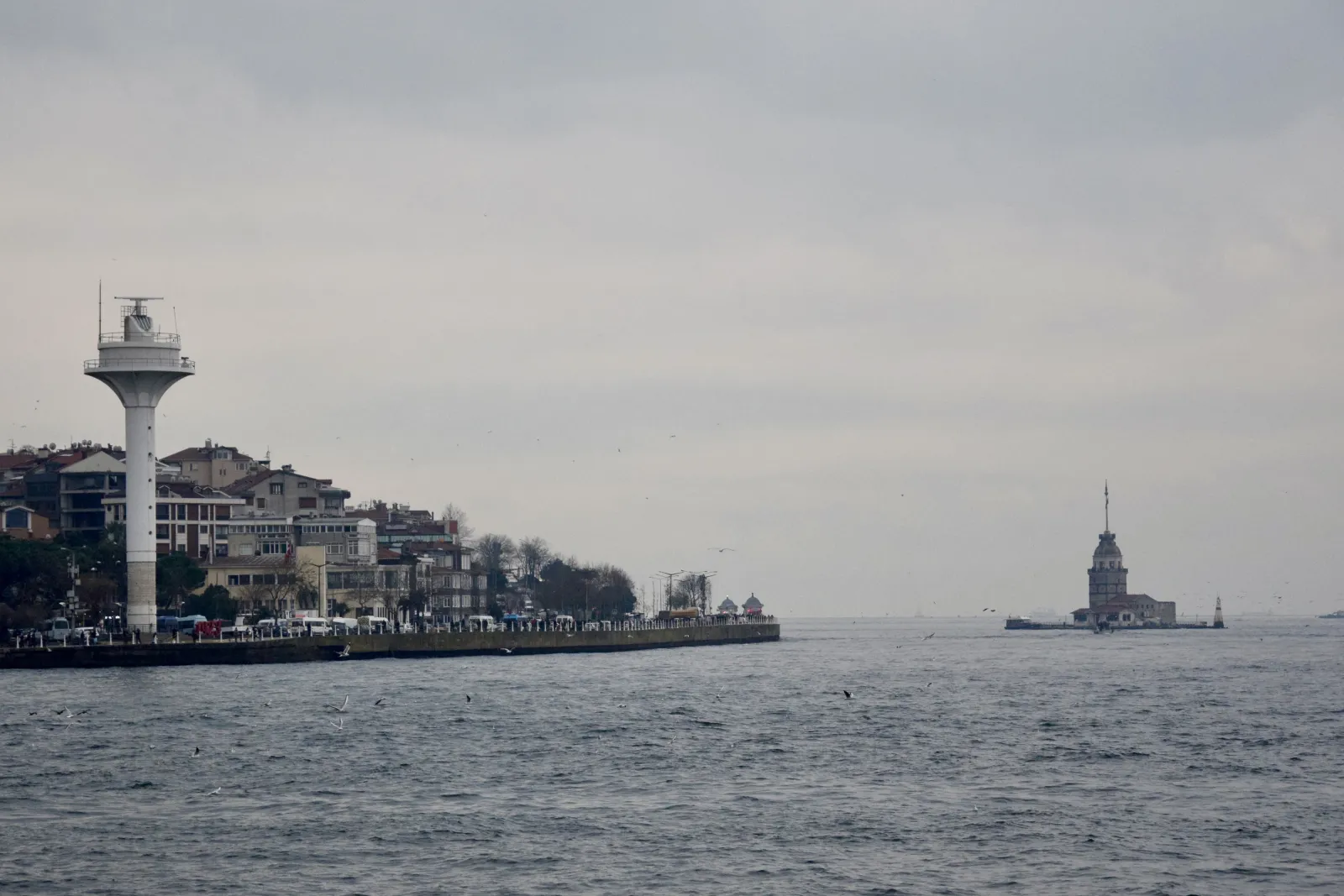
The most recent renovation, completed in 2023, was the most significant in the tower’s modern history. The interior was redesigned as a museum with sections covering each historical period — Byzantine watchtower, Ottoman lighthouse, quarantine station, modern symbol. Interactive displays, archaeological finds from the island, and a panoramic viewing gallery were added. The ground-floor café and upper-floor restaurant remain, serving both visitors and the view.
The restoration also reinforced the island’s seawalls and improved the boat landing infrastructure. The tower had been slowly settling and required structural work to ensure its continued stability on the small rock outcrop.
Visiting
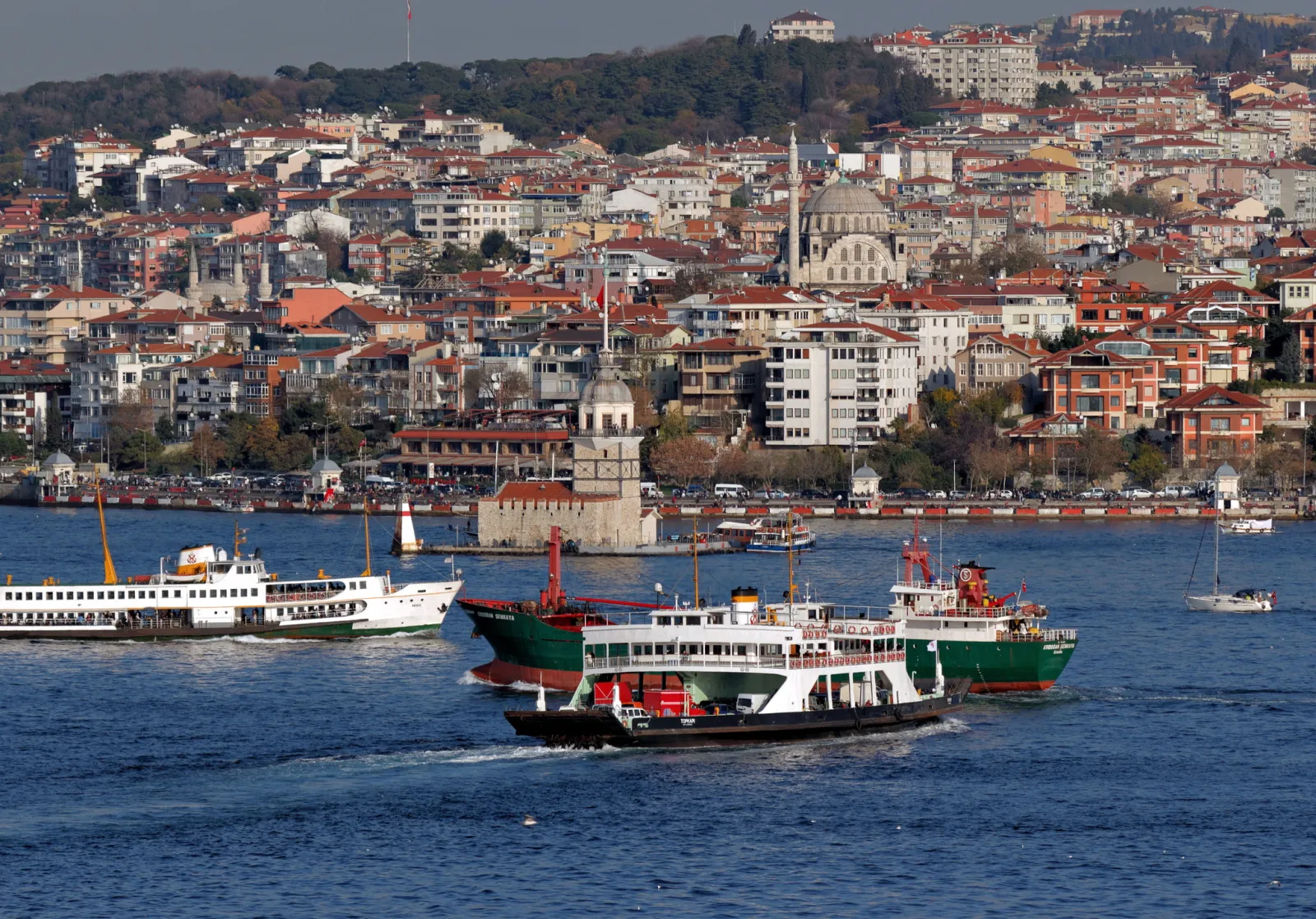
Access to Maiden’s Tower is by boat only. Small shuttle boats depart from Salacak, on the Üsküdar waterfront (Asian side), and from Kabataş on the European side. The crossing from Salacak takes about five minutes; from Kabataş, roughly fifteen minutes.
Tickets: Entry to the museum and tower requires a ticket, purchased online or at the departure points. Timed entry helps manage the small interior space.
How much time: Forty-five minutes to an hour on the island is typical — enough to see the museum, climb to the viewing gallery, and have tea or coffee at the café. The views are the main event: the full 360-degree panorama of the Bosphorus, with the Asian and European shores on either side and the Sea of Marmara to the south. When I bring travelers here, I suggest spending a few minutes on each side of the balcony — the European and Asian perspectives feel like two different cities from the same small island.
When to go: Late afternoon gives you warm light on both shores and, on clear days, a sunset over the European skyline. Morning visits are less crowded — when I visit with travelers, I usually aim for mid-morning on a weekday, when you can have the viewing gallery almost to yourself. The tower is illuminated at night and is one of the landmarks visible on Bosphorus dinner cruises, but nighttime visits to the island itself depend on the restaurant’s schedule.
Official resource: Kız Kulesi — Official Website
Getting to the departure point: From the European side (Sultanahmet or Taksim), take a ferry to Üsküdar — a ten-minute crossing from Eminönü — then walk south along the waterfront to Salacak, about fifteen minutes. Or take the shuttle directly from Kabataş. From the Asian side, Üsküdar is a major transit hub accessible by Marmaray metro, bus, or ferry.
Combining with other visits: The tower pairs naturally with a visit to the Asian side — Üsküdar’s waterfront mosques (the Mihrimah Sultan Mosque by Sinan is directly at the ferry terminal), Kadıköy’s food market (a short bus or dolmuş ride south), or a sunset walk along the Salacak shore with the European skyline across the water.
Plan Your Istanbul Visit
Maiden’s Tower is the landmark that belongs to neither shore — it sits in the middle of the strait, between continents, collecting legends the way it once collected tolls. If you would like to include the tower and the Asian side in your Istanbul itinerary, with a private guide who can weave the history into the view, tell us what interests you and we will shape the day around it.